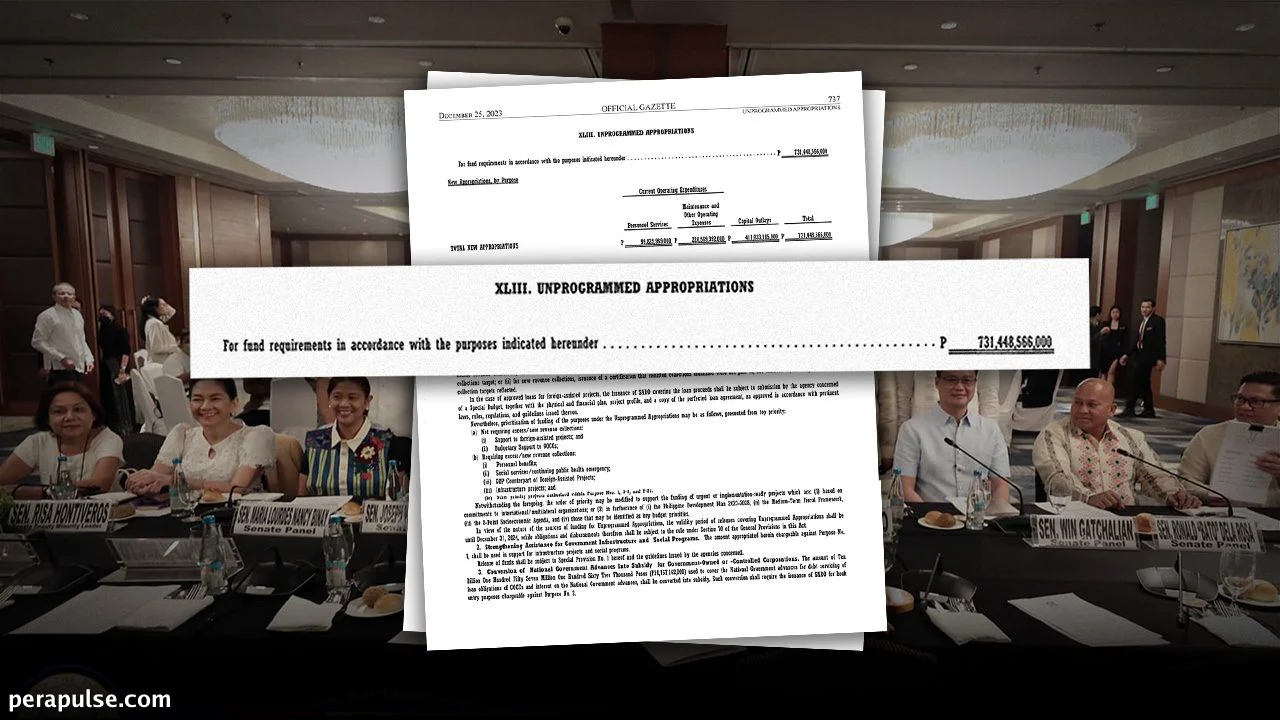
The Supreme Court of the Philippines has issued a landmark ruling on unprogrammed appropriations, affirming their constitutional status while instituting new restrictions on their use. This decision aims to enhance transparency in government budgeting and mitigate the potential for abuse.
Key Changes in Budgeting Practices
The ruling has five main implications for future national budgets:
Senate President Pro Tempore Tito Sotto has announced plans for livestreamed bicameral deliberations in response to the ruling, indicating a shift toward increased public oversight.
Previously, unprogrammed appropriations were often seen as a 'blank check' for the executive, enabling the allocation of funds without detailed oversight. The Court's decision has clarified that lump sum allocations are unconstitutional.
In light of this ruling, Congress can no longer circumvent constitutional limits on the national budget by inflating unprogrammed appropriations. This decision could reshape how the government approaches budgeting and spending, potentially restoring public trust in fiscal management.
While the ruling does not invalidate expenses already incurred, it highlights the need for accountability among lawmakers and executive officials involved in prior budget processes.