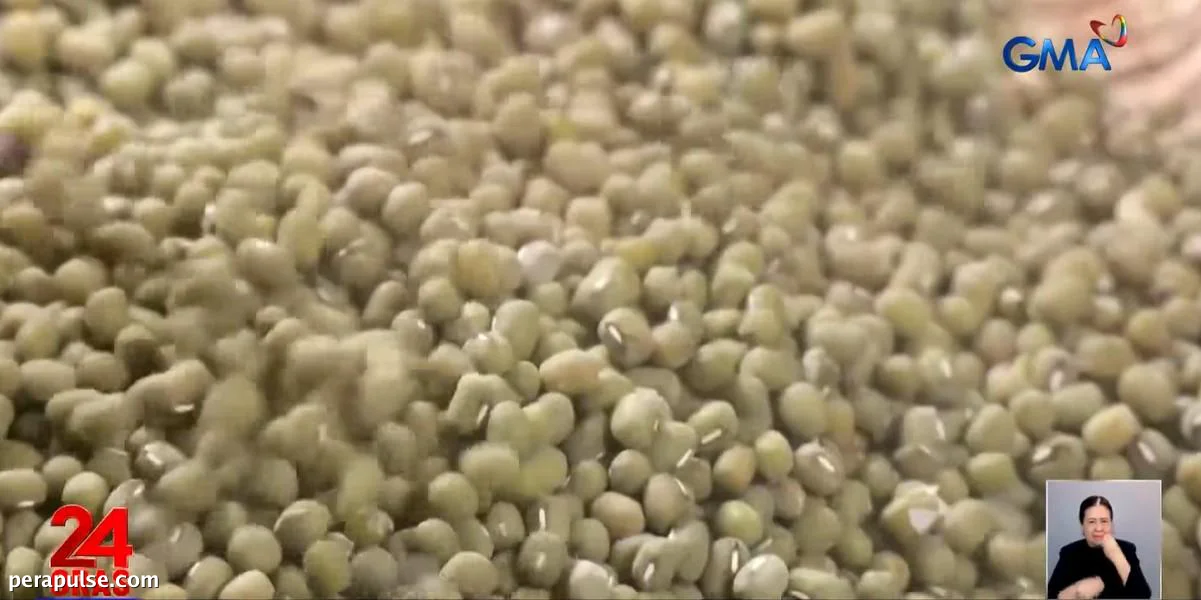
Ang ginisang monggo ay karaniwang inihahanda tuwing Biyernes sa maraming tahanan ng Pilipino, na sumasagisag sa pagsasama ng tradisyon at praktikalidad.
Ang kaugalian na ito ay nag-ugat mula sa parehong kultural at makasaysayang impluwensya, partikular sa konteksto ng mga tradisyong Katoliko.
Isang Tradisyon na Nakaugat sa Pananampalataya at Praktikalidad
Noong panahon ng mga Kastila, maraming katoliko ang umiwas sa pagkain ng karne tuwing biyernes bilang pagunita sa pagkamatay ni Hesus.
Kuya Kim, Lifestyle Host
Ang pagsasanay ng pag-iwas sa karne tuwing Biyernes ay nag-ugat noong panahon ng kolonyal na Kastila nang maraming Katoliko ang nag-obserba sa tradisyong ito bilang isang anyo ng penitensya.
Ang monggo, na kilala sa siyensya bilang Vigna radiata, ay nagsisilbing abot-kayang mapagkukunan ng protina, na ginagawang praktikal na alternatibo.
- Mayaman sa fiber, bakal, at potassium
- Isang tanyag na pagpipilian kapag kakaunti ang sariwang karne at gulay
- Madaling itago at lutuin, lalo na bago ang pamimili tuwing katapusan ng linggo
Ang praktikalidad ay may malaking papel din. Sa kasaysayan, ang mga Biyernes ay kadalasang huling araw bago maubos ang sariwang ani, na nag-uudyok sa mga tahanan na lumipat sa mga tuyong legumbre tulad ng monggo.
Dagdag pa rito, may ilang tao na naniniwala na ang pagkain ng monggo ay maaaring magpalala ng rayuma, na nag-uudyok sa marami na kumain nito sa katapusan ng linggo.
Isang Kulinaryang Misadventure
Kamakailan, ang kwento ni Pauline Coronel ay nagbigay-diin sa ebolusyon ng tradisyong ito. Nagpasya si Coronel na magtanim ng homemade bean sprouts, o togue, mula sa munggo.
Matapos ibabad ang munggo, nagulat siya nang makita itong tumubo kinabukasan, na nagresulta sa isang hindi inaasahang senaryo sa pagluluto.
Mula sa monggo hanggang houseplant, talagang mabilis.
Pauline Coronel
Ipinaliwanag ng plant taxonomist na si Jayson Mansibang na ang mabilis na pag-unlad ay dahil sa mga butil na inilagay malapit sa pinagmumulan ng liwanag, na hindi angkop para sa paggawa ng crispy na togue.
Sa huli, inangkop ni Coronel ang kanyang mga plano sa pagluluto, na nagpapakita ng kakayahang umangkop na kasama ng mga gawi sa kulinarya ng Pilipino.