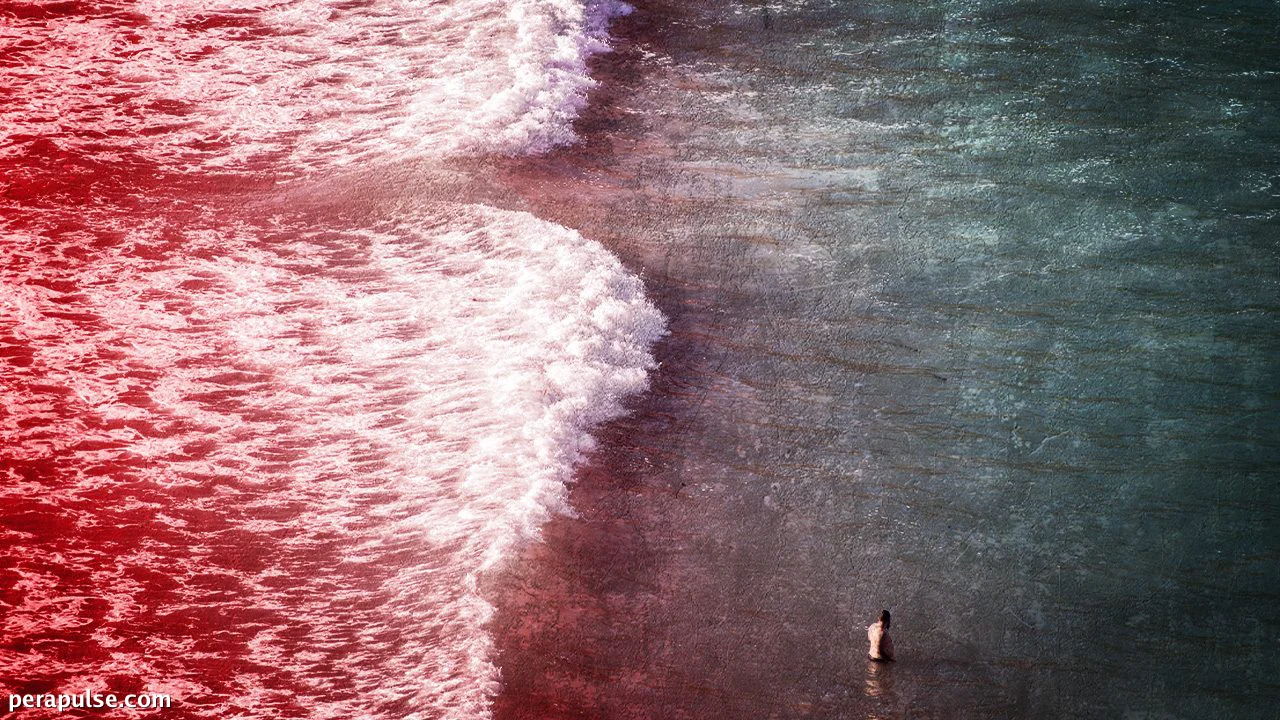
Ang rip currents ay isang makabuluhang panganib sa mga baybayin, lalo na para sa mga swimmer. Ang mga kamakailang pagkalunod ng mga estudyanteng atleta ng Ateneo Blue Eagles na sina Rene Baterbonia at Divine Adili sa Dipaculao, Aurora, ay nagbigay-diin sa panganib na dulot nito.
Ano ang Rip Currents?
Ang rip currents ay mabilis, makitid na mga daluyan ng tubig na umaagos palayo sa dalampasigan. Nangyayari ang mga ito kapag ang mga alon ay bumabagsak sa dalampasigan, na nagiging sanhi ng pag-ipon ng tubig at paghahanap ng daan ng pinakamababang paglaban pabalik sa mas malalim na tubig.
Ayon sa National Oceanic and Atmospheric Administration (NOAA), ang mga agos na ito ay maaaring umabot sa bilis na hanggang walong talampakan bawat segundo, mas mabilis pa kaysa sa isang Olympic swimmer.
Pagkilala sa Pagitan ng Rip Currents at Rip Tides
Mahalagang maunawaan ang pagkakaiba sa pagitan ng rip currents at rip tides. Ang rip tides ay mga agos na pinapagana ng tidal na may kaugnayan sa lokal na siklo ng tide at karaniwang nakikita sa mga tiyak na lokasyon, tulad ng mga bibig ng ilog.
Mga Sanhi at Kundisyon
Ang rip currents ay pangunahing nab形成由 ng mga pattern ng hangin, na nagtutulak ng tubig sa kahabaan ng baybayin. Mas laganap ang mga ito sa panahon ng bagyo, kapag may malaking enerhiya na nalilikha, na nagtutulak ng mas malaking dami ng tubig patungo sa dalampasigan.
Ang Pilipinas, na nasa Pacific typhoon belt, ay nakakaranas ng average na 20 tropical cyclones taun-taon, na nagpapataas ng posibilidad ng rip currents, partikular sa mga silangang baybayin nito.
Pagkilala sa Rip Currents
Maaaring makilala ng mga nagbabakasyon sa dalampasigan ang rip currents mula sa mas mataas na mga punto ng pananaw sa pamamagitan ng paghahanap ng:
- Isang makitid na daluyan ng mas madilim na tubig sa pagitan ng mga bumabagsak na alon.
- Mas maitim na tubig kumpara sa nakapaligid na karagatan.
- Mga debris tulad ng damong-dagat o buhangin na umaagos patungo sa dagat.
- Mga scalloped na hugis sa kahabaan ng dalampasigan.
Mga Estratehiya sa Kaligtasan
Upang manatiling ligtas, dapat:
- Matutunan ang mga pangunahing kasanayan sa paglangoy.
- Suriin ang pagkakaroon ng mga lifeguard bago lumangoy.
- Iwasan ang paglangoy nang mag-isa.
Kung nahuli sa isang rip current, inirerekomenda ng United States Lifesaving Association na:
- Manatiling kalmado at lumangoy nang pahalang sa dalampasigan.
- Mag-tread ng tubig kung pagod at maghintay na humina ang agos.
- Gumamit ng anumang magagamit na flotation device upang manatiling nakalutang.
- Mag-signal para sa tulong kung hindi makararating sa dalampasigan.
Ang kamalayan at paghahanda ay susi sa pagtamasa ng ligtas na mga outing sa dalampasigan, lalo na sa mga rehiyon na madaling kapitan ng rip currents.