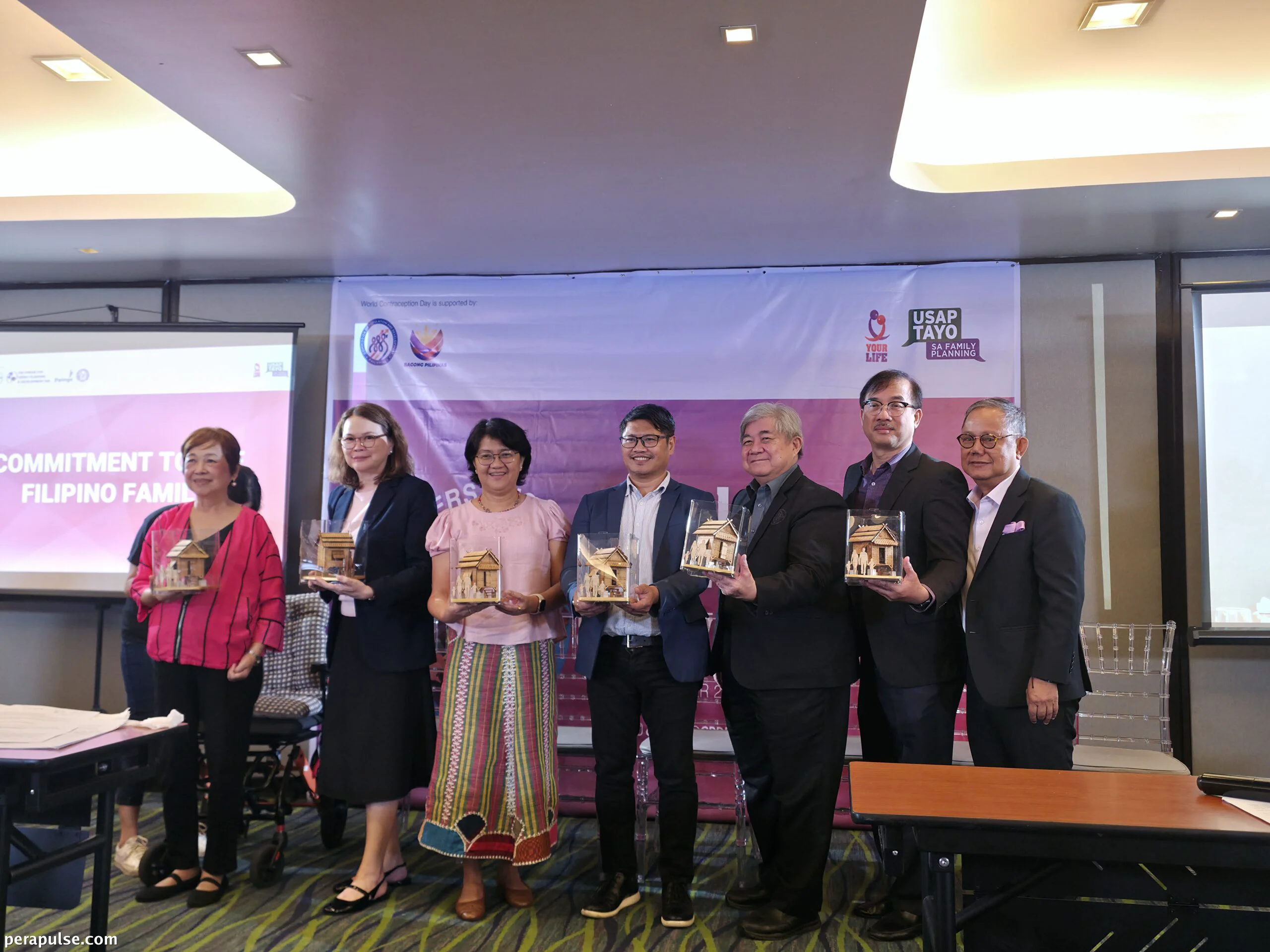
The Philippines has recorded its lowest fertility rate in history at 1.7 children per woman, prompting calls for enhanced access to family planning services. This significant decline highlights ongoing challenges women face in obtaining necessary reproductive health services.
Contraceptive Access Remains Unequal
Progress in contraceptive use has not been matched by equal access to family planning services.
Lolito R. Tacardon, Deputy Executive Director, Commission on Population and Development
- Historic low fertility rate: 1.7 children per woman
- Modern contraceptive use among married women: 44.5%
Data from the Philippine Statistics Authority shows a slight increase in modern contraceptive use among married women, rising from 41.8% to 44.5%. However, despite this progress, the need for family planning remains unmet for many.
According to Tacardon, while more couples are exercising their reproductive rights, 12.5% of married women still experience unmet needs for contraception. Among sexually active unmarried women, this figure jumps to a staggering 48%.
Barriers to Effective Family Planning
The Commission on Population and Development (CPD) emphasizes that various barriers hinder access to reproductive health services. Myths, stigma, and a lack of trained providers contribute to the ongoing disparities.
CPD Undersecretary Lisa Grace Bersales stressed the need for targeted initiatives to reach vulnerable populations, particularly those in isolated areas or with lower incomes, who often have more children than they desire.
Concerningly, the prevalence of vasectomy among men remains at only 0.08%, highlighting a lack of male involvement in family planning.
Addressing Adolescent Reproductive Health
The issue of adolescent pregnancy, currently at 4.9% nationally, is particularly pressing in poorer households, where the rate rises to 9.4%. The CPD argues that this challenge must be viewed as a developmental inequality issue.
Dr. Juan Antonio Perez III from the Forum for Family Planning and Development noted that even in communities with available services, adolescents face significant barriers to accessing reproductive health resources.
Moving Forward with Family Planning
As the country prepares to observe World Contraception Day on September 26, the focus will be on removing barriers to reproductive agency for women. Ensuring access to quality family planning services is critical for empowering individuals to make informed choices.
CPD advocates for a comprehensive approach to family planning that emphasizes responsible parenthood, reproductive agency, and socioeconomic security as essential components of a healthier population.