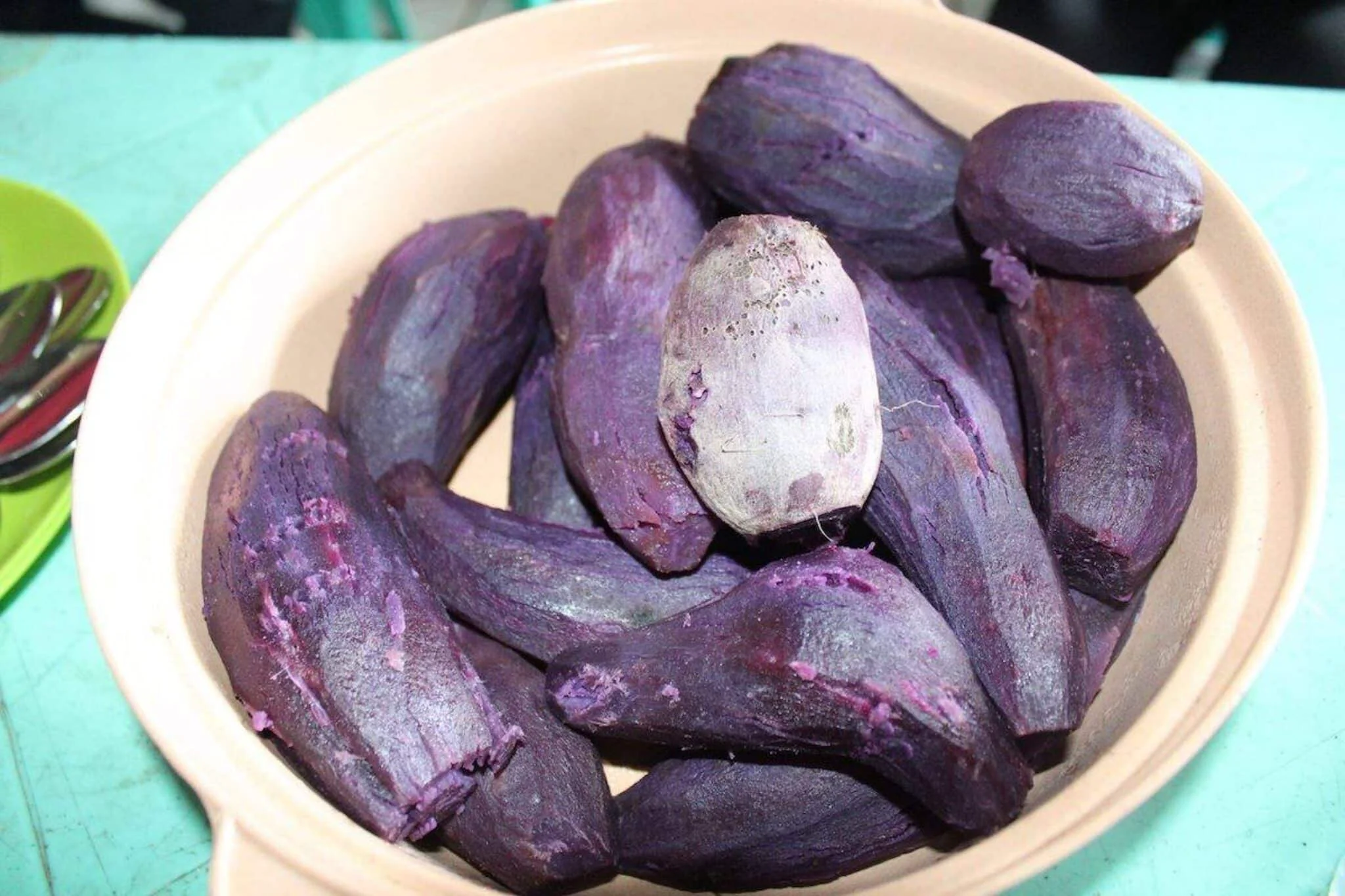
Ube, pronounced 'oo-beh', is captivating social media users with its striking purple hue. From cakes to lattes, this Filipino purple yam is everywhere, sparking curiosity about its origins and taste.
A Distinctive Root Vegetable
Commonly confused with taro or purple sweet potatoes, ube has its own unique identity. This tuber grows on vines and features flesh that ranges from light lavender to deep violet. Native to Southeast Asia, ube has been a culinary staple in the Philippines for generations.
Historical Significance
Once a humble backyard crop, ube was a reliable food source for Filipino families. Traditionally, it was boiled and eaten as a filling snack, sometimes sweetened with sugar.
Culinary Evolution
Ube has transformed from a simple snack to a gourmet ingredient. While ube halaya, a thick jam, remains popular, ube cakes have recently become a go-to dessert for celebrations. Its flavor pairs well with various ingredients, making it a favorite in both traditional and modern recipes.
Why the Recent Surge in Popularity?
Ube's mellow, nutty sweetness resembles a mix of vanilla and pistachio, appealing to a wide audience. This versatility has led to the rise of ube-infused creations like ube-cheese pandesal and elaborate cakes.
As the world discovers ube's charm, for Filipinos, it represents a taste of home, deeply embedded in the culture. Whether enjoyed in a simple halaya or a fancy dessert, ube continues to captivate hearts and palates.