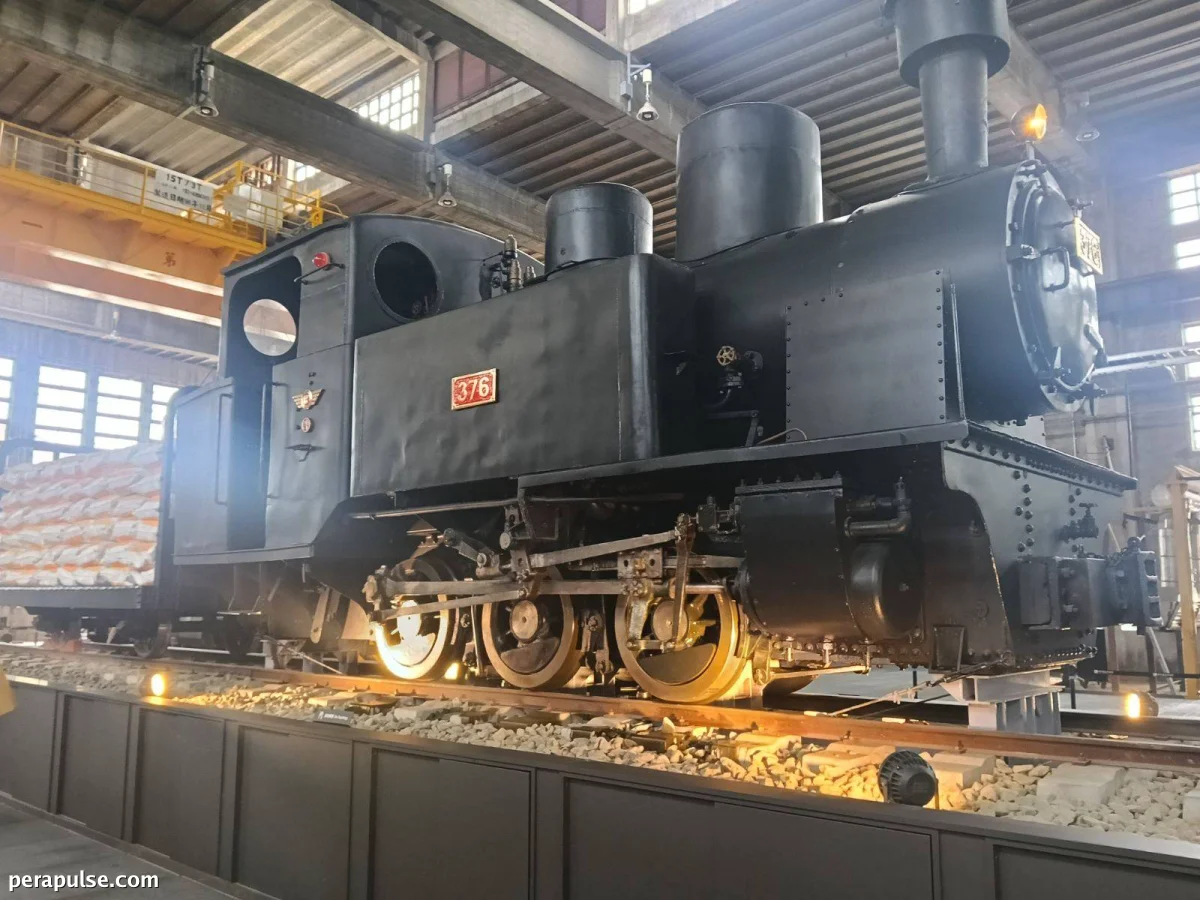
The National Railway Museum in Taipei stands as a testament to Taiwan's commitment to preserving its railway heritage, blending technology with human stories.
A Journey Through Time
Preserving history does not necessarily mean preserving only the grandest buildings. Sometimes, history survives in places where ordinary people lived their ordinary working lives.
Anonymous, Filipino Journalist
- The museum spans nearly 17 hectares in Taipei's Xinyi District.
- It was established on the site of the former Taipei Railway Workshop, which has over 80 years of history.
- The Diesel-Electric Locomotive Workshop, built in 1962, is a key exhibition area.
The museum is not just about locomotives. It showcases the complex relationship between railway infrastructure and the lives of those who maintained it.
Visitors can explore various exhibits, including a collection of 24 restored railway vehicles. These vehicles narrate the evolution of Taiwan’s railway system, emphasizing the workforce behind them.
Among the museum's highlights is an Employee Bathhouse completed in 1935, the first heritage site recognized in the former workshop. This space reflects the daily lives of railway workers, emphasizing the importance of their experiences.
One poignant exhibit highlights Chin Lien, a telegraph operator and poet whose career spanned nearly four decades. His dual role illustrates the profound connection between personal identity and the railway.
For Filipinos, the museum serves as a parallel to their own railway history. As the Philippines modernizes its transportation system, it faces the challenge of preserving its railway legacy amid rapid development.
Taiwan's effort to keep its railway heritage alive encourages a reflection on the importance of remembering the past as new infrastructures rise.