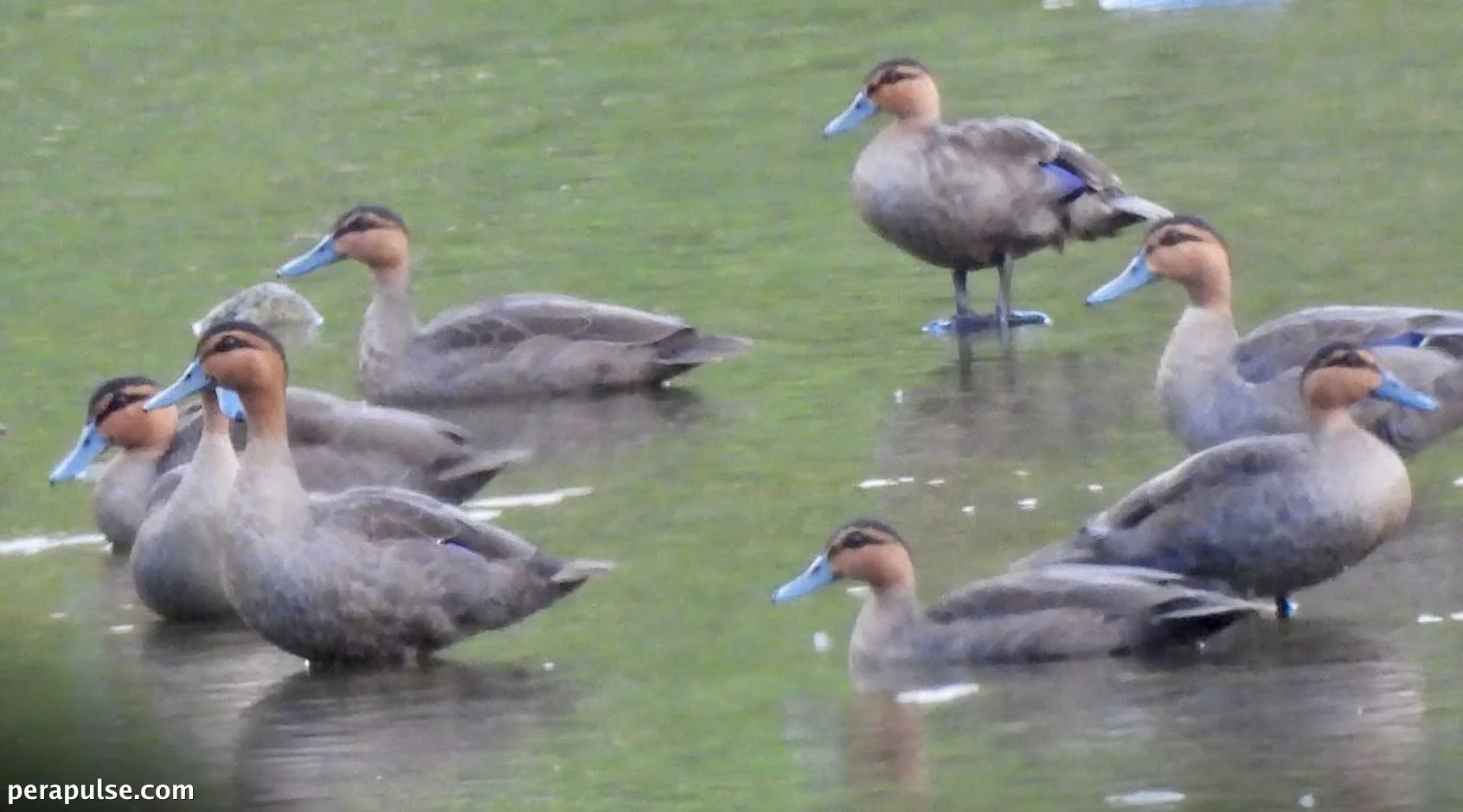
A recent three-day survey in Calanasan, Apayao, revealed a remarkable population of Philippine ducks, underscoring the region's significant biodiversity. Conducted by the Department of Environment and Natural Resources-Cordillera, the survey documented over 427 birds from 23 species, with 322 of them being Philippine ducks.
A Sanctuary for Endangered Species
The findings of the avifaunal survey in Barangay Sta. Filomena highlight Apayao’s rich biodiversity and reinforce our responsibility to protect its natural heritage as part of the Apayao Biosphere Reserve.
Dorothy Joy Cayaba, CENRO Calanasan Officer-in-Charge
- Survey recorded 427 birds from 23 species.
- 322 Philippine ducks counted, the highest number in the survey.
The survey focused on identifying bird species in key habitats, including wetlands and forested areas. Calanasan, known for its lush landscapes and diverse ecosystems, is recognized as part of the UNESCO-designated Apayao Biosphere Reserve, which is vital for preserving unique flora and fauna.
Among the highlights were sightings of two other nationally threatened species: the rufous hornbill, classified as endangered, and the Luzon hornbill, which is vulnerable. These findings emphasize the need for ongoing conservation efforts in Apayao, where the delicate balance of ecosystems is crucial for sustaining wildlife.
The Philippine duck, classified as vulnerable, plays a critical role in the local ecosystem. Its population decline has raised concerns, though recent assessments by the International Union for Conservation of Nature have adjusted its global status to 'least concern.'
Future Conservation Efforts
CENRO Calanasan plans to use the survey results to guide habitat protection, wildlife monitoring, and promote responsible birdwatching tourism. The ongoing collaboration with local governments and community partners aims to ensure that Apayao's rich biodiversity is preserved for future generations.
This survey adds to the growing body of knowledge about Apayao's unique ecosystems, which are home to both rare wildlife and endemic plant species. As conservation initiatives progress, the hope is to maintain the rich biodiversity that defines this northern Luzon region.