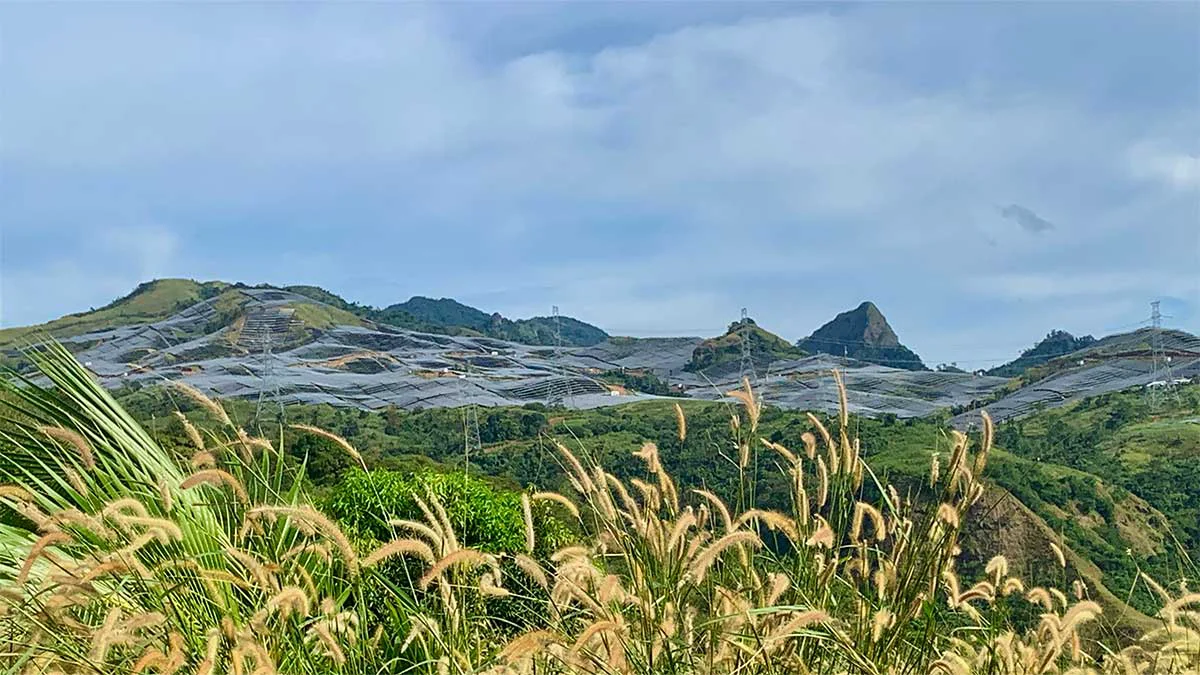
The Aeta community in Olongapo City is facing new challenges as renewable energy projects expand into their ancestral lands. This has sparked concerns over land use and the preservation of their livelihoods.
Elder Trollie Romualdo, who experienced the devastation from the 1991 Mount Pinatubo eruption, now finds his community grappling with the implications of solar energy projects.
Solar panels now cover parts of a 6,300-hectare ancestral domain, leading to worries among residents about the plans for further development.
Community Concerns Over Expansion
Romualdo expressed surprise at the lack of consultation regarding the expansion. "We had no knowledge of it," he stated, emphasizing the importance of their land for their livelihood.
“Why is this happening? This is where we earn our livelihood and where we get the means to send our children to school,”
Trollie Romualdo
Local farmers, such as Danilo Sauro, have voiced similar fears. For over 30 years, he has relied on farming for his family's survival, earning around P10,000 monthly. He worries the expansion could threaten their farming practices.
Growing Resistance from Residents
As opposition grew, residents initiated protests and submitted a petition with nearly 1,000 signatures against the expansion, citing environmental risks and insufficient consultation.
Many residents are not against renewable energy itself but are concerned that the projects prioritize corporate interests over community rights.
Company's Response
Aboitiz Power Corp. claims its projects adhere to government regulations. The company asserts that environmental studies indicate the projects will not worsen flooding.
AP Renewable Energy Corp. also stated that local employment opportunities were created during the initial phases, with over half of the workers coming from nearby communities.
Balancing Energy Needs with Indigenous Rights
Experts warn about the potential social and environmental issues arising from large-scale renewable projects. Angela Consuelo Ibay of WWF-Philippines emphasized the need for proper consultations to avoid exacerbating existing inequalities.
She noted that the transition to renewable energy must include local communities in decision-making to ensure sustainable benefits.