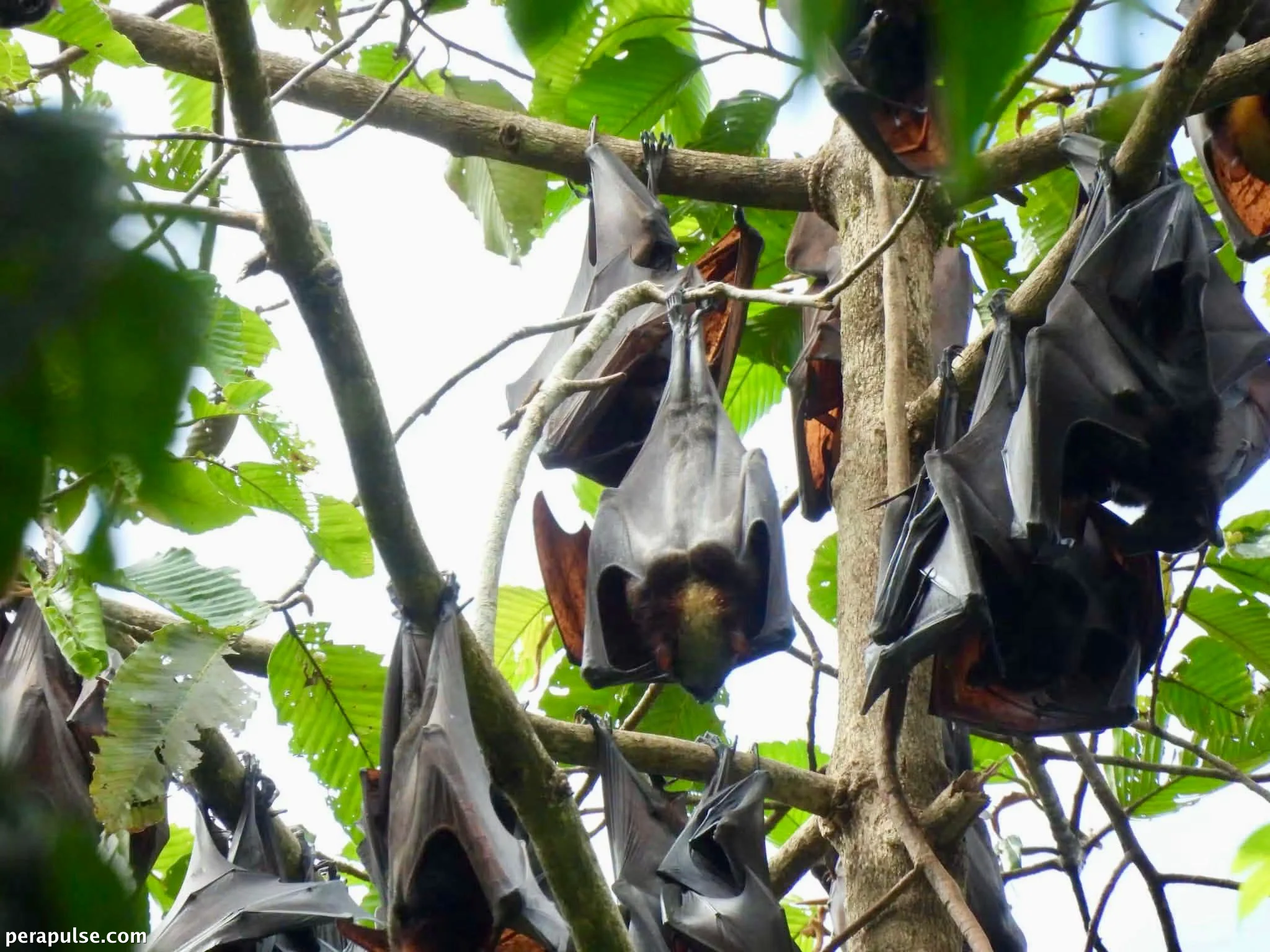
In a recent wildlife monitoring initiative, a golden-crowned flying fox (*Acerodon jubatus*) was documented in the Flora region of Apayao, adding to the area's known biodiversity.
Significant Discoveries in Flora's Forests
Every additional species record helps refine Apayao’s biodiversity data and strengthens the basis for habitat protection, wildlife management, and future research.
Dorothy Joy Cayaba, DENR-CENRO Calanasan OIC
Conducted by the provincial government of Apayao and the Department of Environment and Natural Resources (DENR), the monitoring in August revealed the presence of both the golden-crowned flying fox and the large flying fox (*Pteropus vampyrus*).
The golden-crowned flying fox is endemic to the Philippines and classified as Critically Endangered globally. Its presence reinforces the need for conservation efforts in the region.
- Presence of golden-crowned flying fox confirmed.
- Large flying fox also recorded.
- Philippine eagle tracked but not visually confirmed.
The DENR has proposed designating the area as a Critical Habitat to safeguard these threatened species and their ecosystem. This move is essential, particularly for the critically endangered Philippine eagle.
Cayaba emphasized the ecological significance of flying foxes, stating they are a crucial part of the Philippine eagle's food chain. Protecting their habitat is vital for the eagle's long-term survival.
This discovery illustrates the importance of ongoing wildlife surveys. Each new species record contributes valuable data to Apayao’s biodiversity database.
Golden-crowned flying foxes, known for their fruit-eating habits, rely heavily on forest habitats and can travel extensively between feeding and roosting locations.
The monitoring efforts were supported by local governments and conservation partners, highlighting a collaborative approach to environmental protection in Apayao.