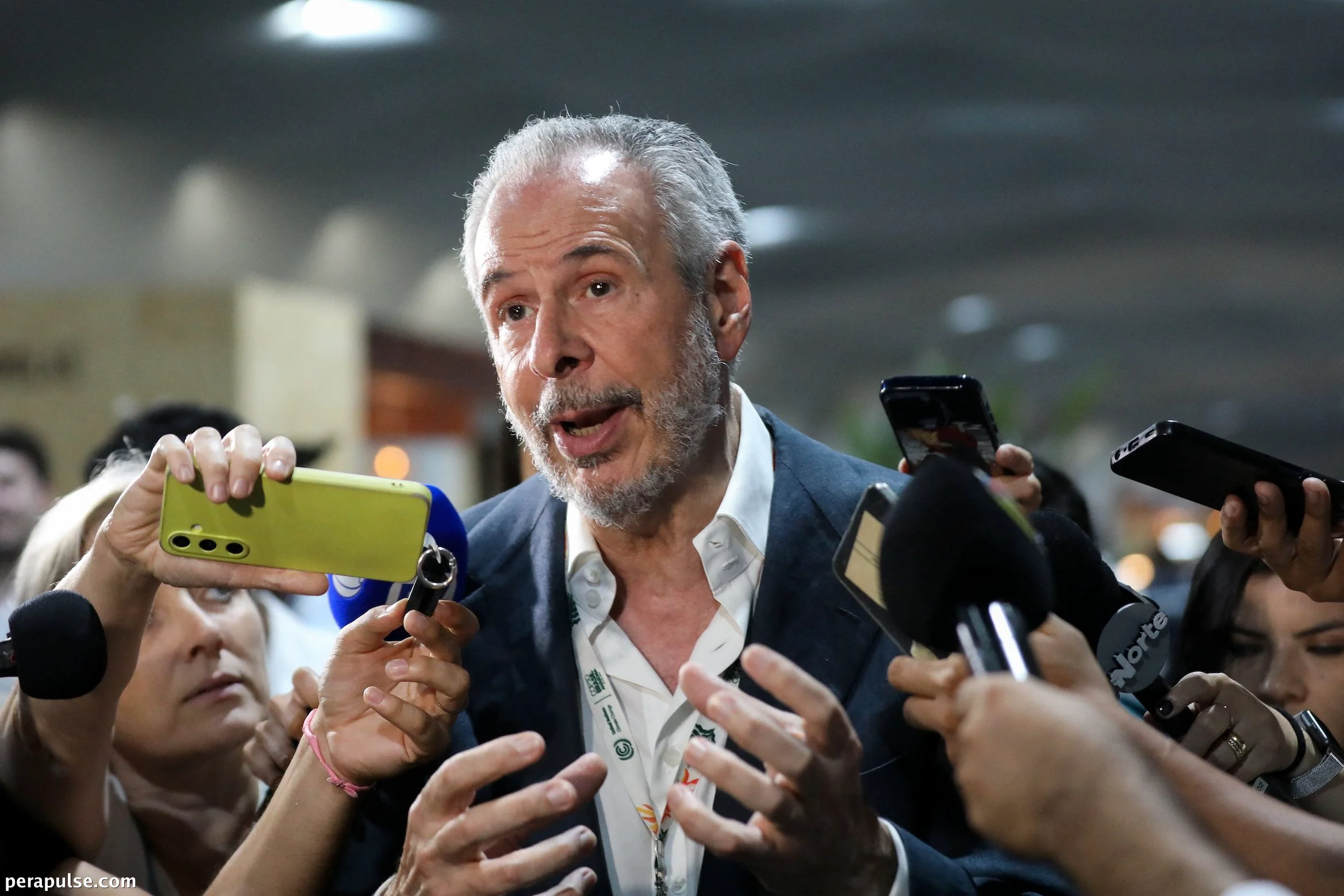
Brazil has officially concluded its year-long presidency of the UN climate process, focusing on critical roadmaps designed to combat deforestation and facilitate a transition away from fossil fuels.
COP30 President Andre Correa do Lago, who led the recent summit in Belem, stated, "We don’t need more negotiations. What we need is for governments to start taking action." His remarks highlight a pressing demand for immediate implementation of climate strategies.
Urgency Over Negotiation
We need to completely change the way governments deal with climate change. To implement this, we need finance, infrastructure and transportation ministers at the table.
Andre Correa do Lago, COP30 President
- Roadmaps for reducing deforestation and fossil fuel reliance.
- Emphasis on integrating climate goals into government policy.
Brazil's initiatives stem from a recognition that shifting away from fossil fuels is crucial for limiting global warming to 1.5 degrees Celsius, a target established during the Paris Agreement in 2015.
However, oil-rich nations have been hesitant to adopt measures that threaten their revenue streams, complicating progress on these agreements.
Looking ahead, COP31 is set to begin in Antalya, Turkey, on November 9, 2026. The upcoming summit is anticipated to prioritize implementation over new pledges, echoing Brazil's call for actionable results.
Focus on Renewable Energy
Brazil's energy transition roadmap aims for countries to evaluate their energy systems by 2028, a plan that gained traction at COP28 in Dubai. A key objective is to triple renewable energy capacity by 2030, although consensus has been hampered by resistance from major oil producers.
Despite the challenges, global renewable energy capacity reached a record 5,149 gigawatts at the end of 2025, marking a significant increase.
Fostering Forest Protection
The proposed deforestation roadmap failed to reach consensus at COP30, reflecting ongoing disputes over financing forest protection initiatives. The UN estimates that funding must surge from $84.5 billion in 2023 to over $300 billion by 2030.
Brazil is advocating for a Tropical Forests Forever Facility, which has already secured $7.6 billion toward its $10 billion goal. This initiative aims to provide sustainable financing for forest preservation.
Correa do Lago emphasized, "Public financing from developed countries is absolutely essential," underscoring the need for a diversified funding approach to effectively tackle deforestation.