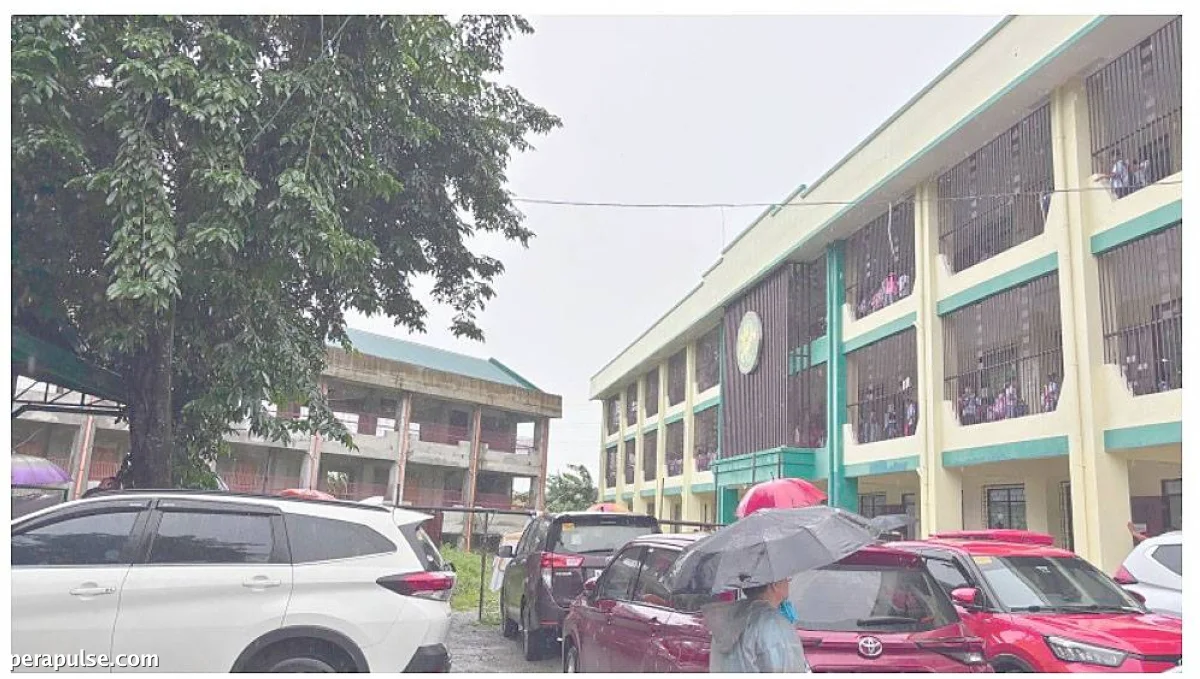
The Philippine educational system is facing a crisis, as highlighted by a recent report from the Philippine Center for Investigative Journalism (PCIJ). The report, published on September 6, outlines how billions allocated for school infrastructure were mismanaged, with contracts going to firms implicated in corruption.
At Mabuhay City Elementary School in Dasmariñas, Cavite, the consequences are stark. Approximately 1,500 students are crammed into a three-story building operating in shifts, while an adjacent, unfinished school building has remained idle for nearly two years. This absurd situation stems from bureaucratic errors related to additional construction requirements, which have left a PHP 32 million project unusable.
Classroom Shortages and Ineffectiveness of Funding
The classroom shortage is not just a construction problem but also one of governance.
Philippine Center for Investigative Journalism
The report reveals that the Philippines currently lacks around 166,000 classrooms, a number that could rise to 219,000 by 2028. Although the government has allocated PHP 80 billion for school infrastructure this year, PCIJ’s findings raise questions about the effectiveness of this funding.
- Political connections influence contractor selection.
- Many projects have been delayed or poorly executed.
- Corruption undermines the quality of school buildings.
The situation mirrors issues seen in previous scandals, such as the flood-control project debacle. Companies linked to political figures have secured significant contracts, raising serious concerns about the integrity of the bidding process. For instance, contractors associated with Curlee and Sarah Discaya received PHP 13.4 billion for school projects over the last decade.
Former DPWH engineer Brice Hernandez pointed out that only a fraction of project funds often goes to actual construction, raising fears about the safety and durability of school facilities. The consequences of such corruption can put children at risk, making it imperative to scrutinize how public money is managed.
Additionally, the report emphasizes that delays are not solely due to corruption; bureaucratic inefficiencies also hinder timely project completion. Often, the government’s slow pace in processing and managing projects results in costly delays that directly affect students.
A poignant example is the case of Ramon Magsaysay High School in Manila, where students have been without a permanent campus for years. Promised a new school building in 2022, students are now expected to wait until 2027, missing crucial educational opportunities.
The government recognizes the prevailing issues and is attempting reforms, including involving local governments and private companies in school construction. However, skepticism remains high among the public following past scandals.
As the PCIJ report indicates, addressing the classroom shortage requires not just increased funding but also a commitment to accountability and transparency in how that money is spent.
The distance between overcrowded classrooms at Mabuhay City Elementary and the empty, unfinished building nearby reflects a broader systemic failure in the Philippines' education infrastructure. Ensuring that funds are effectively utilized to build classrooms where they are most needed is essential for the future of Filipino students.