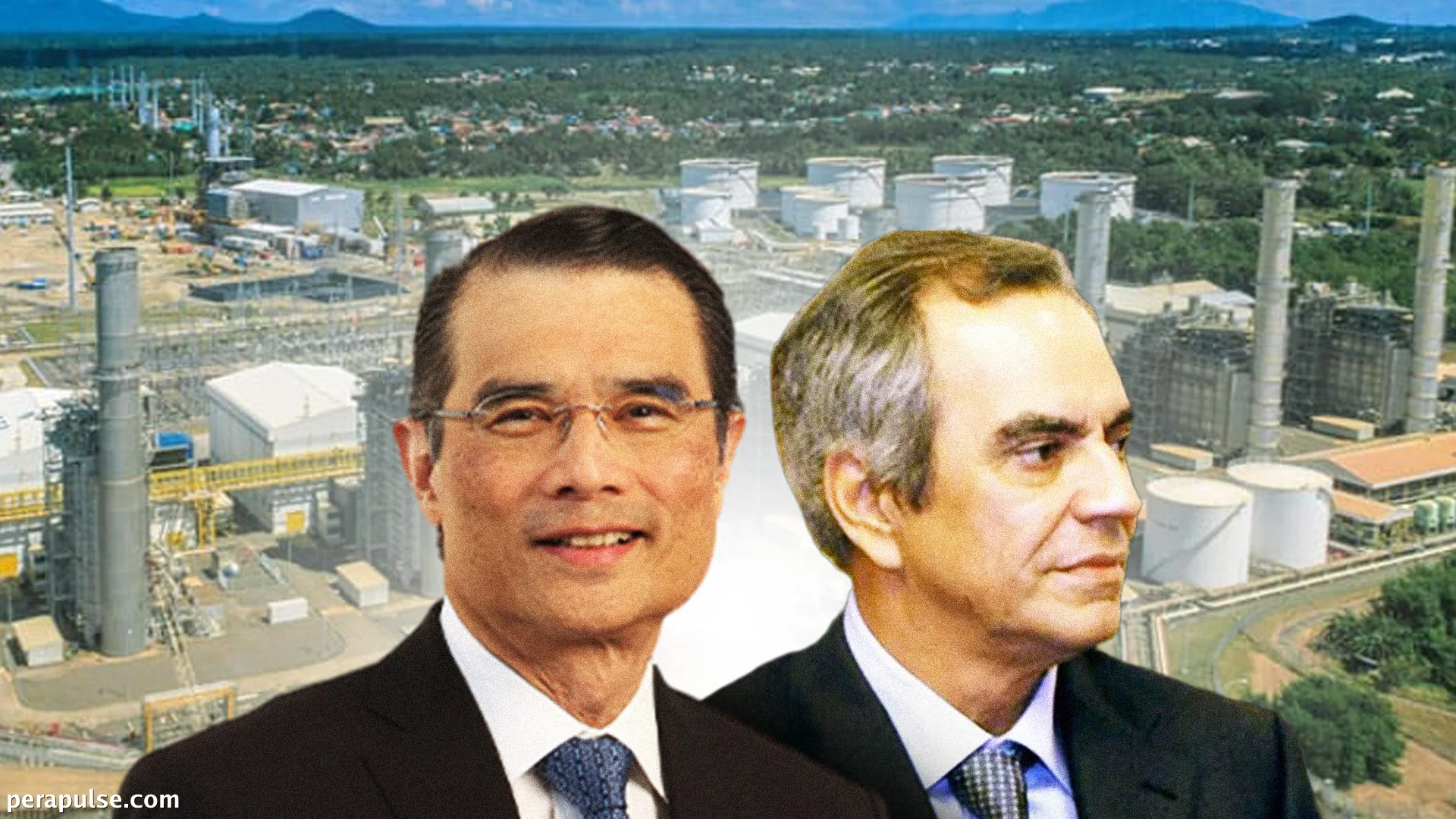
Sa isang matapang na hakbang, ang First Gen Corporation ni Federico "Piki" Lopez ay pumasok sa isang pakikipagsosyo sa Prime Infrastructure ni Enrique Razon, na nagmamarka ng isang makabuluhang paglipat sa sektor ng enerhiya sa Pilipinas. Ang estratehikong pagbabagong ito, na kinasasangkutan ang pagbebenta ng 60% ng negosyo ng gas ng First Gen at ang pagkuha ng 33% na bahagi sa Prime Hydropower Energy Inc. (PHEI), ay inaasahang muling hubugin ang hinaharap ng produksyon ng enerhiya sa bansa.
Ang desisyon ng First Gen na magbawas mula sa kanilang negosyo ng gas, na naging pundasyon ng kanilang operasyon mula pa noong unang bahagi ng 2000s, ay nagtatampok ng bagong pokus sa hydroelectric power. Ang kumpanya ay nanatili ng 40% na bahagi sa negosyo ng gas, na nagpapahiwatig na sila ay nananatiling nakatuon sa sektor na ito habang naglalayong lumipat patungo sa mga mapagkukunan ng renewable energy.
Pagbabago ng Paradigma sa Enerhiya
Sa pamamahala, pinapaalala nito sa atin na mahalaga ang direksyon, dahil ang kung ano ang nag-uugnay ay sa huli ay humuhubog sa katatagan o kahinaan. (cite: Federico Lopez, Chairman ng First Gen)
Ang mga proyekto ng hydro, kabilang ang 600-megawatt na proyekto sa Wawa at ang 1,400-megawatt na proyekto sa Pakil, ay inaasahang makabuo ng P16 bilyon taun-taon para sa First Gen sa ilalim ng isang 20-taong kontrata simula 2031. Ang pagbabagong ito ay nagpapakita ng lumalaking kahalagahan ng operational flexibility at imbakan ng enerhiya habang ang power grid ng Pilipinas ay umuunlad.
Dinamika ng Pamilya at mga Hamon sa Pamamahala
Habang ang rasyonal ng negosyo para sa pagbabago ay malinaw, ang mga implikasyon sa pamamahala ay mas kumplikado. Ang pamilya Lopez ay may mahabang kasaysayan sa sektor ng enerhiya, na may makabuluhang pamumuhunan sa natural gas mula pa noong krisis sa kuryente noong 1990s. Ang mga kamakailang desisyon ay nagpasimula ng hidwaan sa loob ng pamilya, habang ang ilang mga miyembro ay nagtatanong sa karunungan ng pagpapakawala ng kontrol sa kanilang mga ari-arian sa gas.
Ang mga kritiko ay nag-aangkin na ang hakbang na ito ay kumakatawan sa pagkawala ng kontrol sa mga mahalagang ari-arian, habang ang mga tagasuporta naman ay nakikita ito bilang isang kinakailangang pagsasaayos sa nagbabagong kondisyon ng merkado. Ang debate na ito ay nagha-highlight ng tensyon sa pagitan ng mga estratehikong desisyon sa negosyo at pamamahala ng pamilya, lalo na habang ang estruktura ng merkado ng enerhiya ay nagbabago.
Pag-navigate sa mga Panganib sa Hinaharap
Pinagtanggol ng pamunuan ng First Gen ang mga desisyon bilang maingat na pamamahala ng panganib, na binibigyang-diin ang pangangailangan para sa flexibility sa isang merkado na lalong naaapektuhan ng mga mapagkukunan ng renewable energy at pagbabago ng klima. Layunin ng kumpanya na dagdagan ang bahagi nito sa renewable energy mula 70% hanggang humigit-kumulang 92% pagkatapos ng kasunduan, na umaayon sa mga pandaigdigang uso patungo sa pagpapanatili.
Gayunpaman, ang pakikipagsosyo sa Prime Infrastructure, na nakakuha ng kontrol sa Malampaya gas field, ay nagdadala ng mga katanungan tungkol sa katatagan at lohistika ng suplay ng gasolina sa hinaharap. Ang pagkakaugnay-ugnay ng pinagkukunan ng gas, pipeline, at mga planta ng kuryente ay maaaring magbigay ng mga bentahe, ngunit nagdadala rin ito ng mga alalahanin sa pag-asa sa isang solong kasosyo.
Konklusyon: Isang Pagninilay sa Mas Malawak na Uso
Ang mga kasunduan ng Lopez-Razon ay hindi lamang kumakatawan sa isang pagbabago sa negosyo kundi pati na rin sa isang pagsasalamin ng mas malawak na mga uso sa sektor ng enerhiya. Habang ang Pilipinas ay lumilipat patungo sa isang mas renewable energy na hinaharap, ang mga estruktura ng pamamahala sa loob ng mga conglomerate na pag-aari ng pamilya ay susubukin. Ang mga kinalabasan ng mga estratehikong desisyong ito ay maaaring sa huli ay nakasalalay sa lakas ng mga mekanismo ng pangangasiwa at pananagutan na nakalagay.