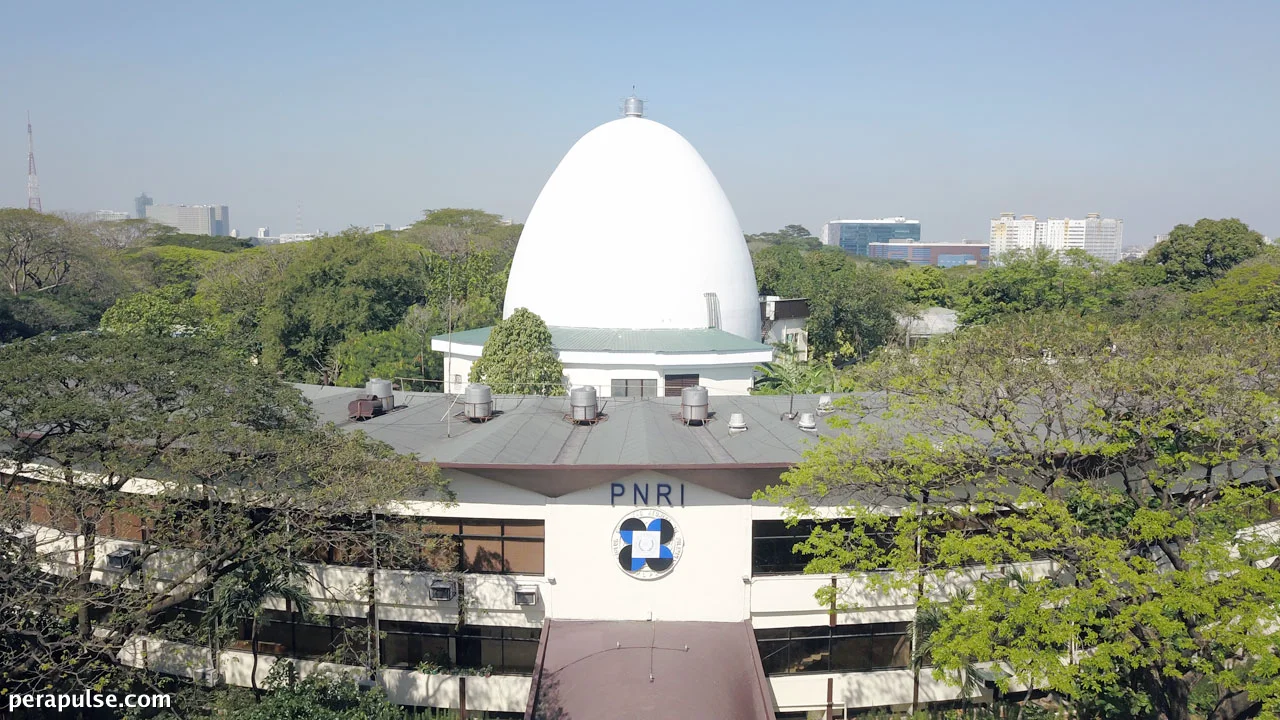
The Philippines may not see the first operational nuclear power plants until 2035, according to the Department of Energy (DoE). This marks a significant setback from the previously anticipated 2032 timeline.
Challenges in Regulatory Approvals
Patrick T. Aquino, Director of the Energy Utilization and Management Bureau, highlighted extensive regulatory and safety requirements as key factors delaying the program. He stated that practical integration into the grid could take until 2038, depending on the progress of licensing and construction.
It will slide a bit from 2032. That much is certain.
Patrick T. Aquino, Director, Energy Utilization and Management Bureau
- Nuclear energy capacity projected to increase from 1,200 MW to 2,400 MW between 2030 and 2040.
- Implementation of the National Nuclear Energy Program is dependent on new regulatory frameworks.
The DoE is currently drafting guidelines for stakeholders involved in the planned auction for the nation’s initial nuclear facilities. Aquino stressed the importance of meeting international safety standards, stating that any misstep could have regional repercussions.
Energy Undersecretary Rowena Cristina L. Guevara pointed out that the forthcoming implementing rules and regulations (IRR) for Republic Act No. 12305 will be essential in guiding the development of nuclear power projects. This legislation aims to establish a governance framework that protects public interests and bolsters investor confidence.
Despite the delays, the Philippine government remains committed to nuclear energy as a strategy to diversify its energy mix and meet climate targets. President Ferdinand R. Marcos Jr. previously endorsed the establishment of a national framework for nuclear energy.