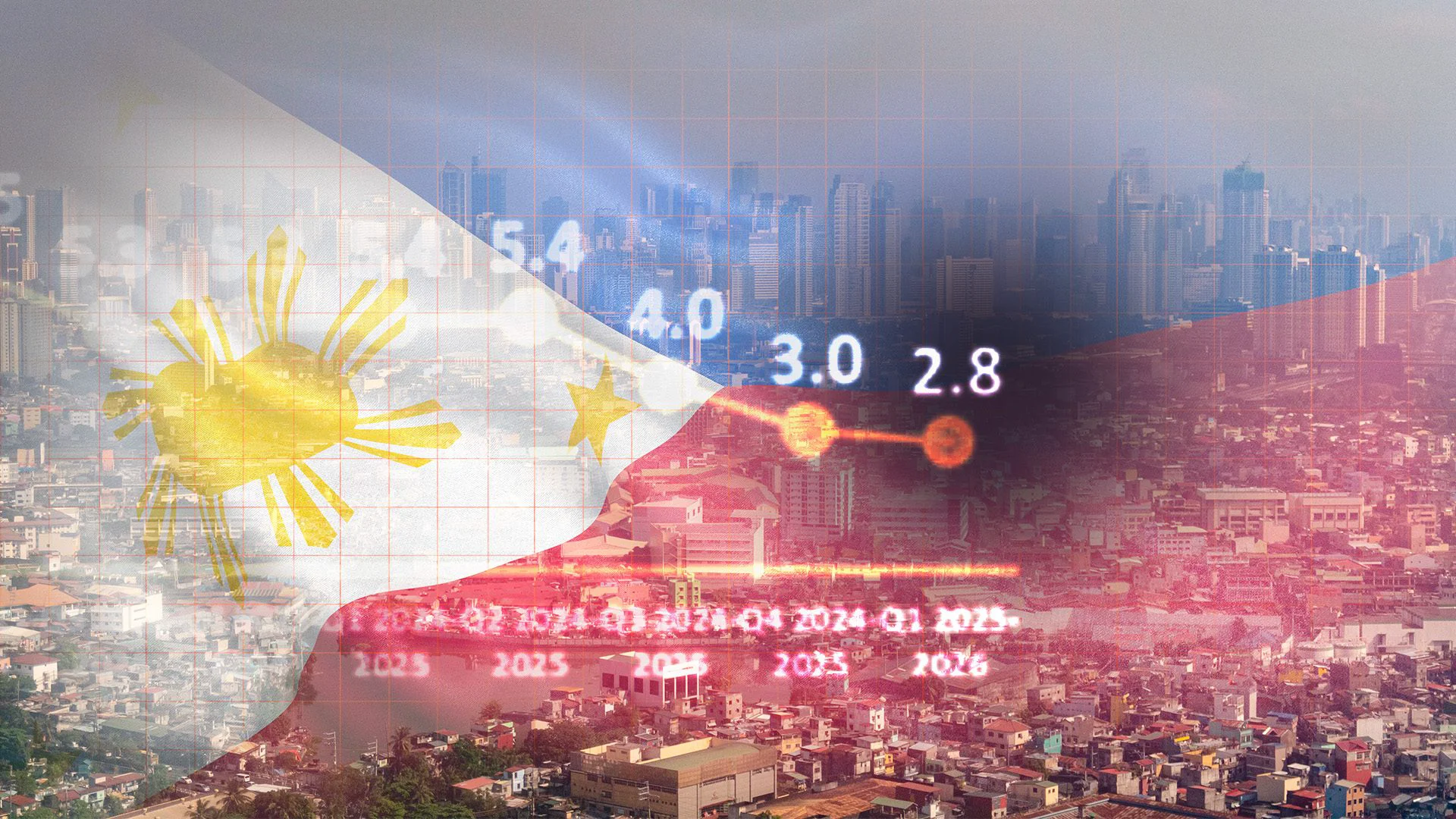
The Philippine economy is in a precarious state, recording only a 2.8% year-on-year growth in the first quarter of 2026. This figure marks the slowest growth outside of pandemic conditions since the global financial crisis.
The country's growth trajectory has been on a downward trend, with previous quarters showing 5.4%, 4.0%, and 3.0% growth. The widening gap between current performance and pre-pandemic expectations raises alarm among economists.
Investment is a significant concern, as capital formation detracted 1.6 percentage points from growth in Q1. This marks three consecutive quarters of negative investment contributions.
Government Construction Under Scrutiny
Government construction projects have been a major burden on overall construction growth for four consecutive quarters. In Q1 alone, this sector pulled down total construction growth by about 12 percentage points.
Corruption Scandal Impact
The recent flood-control corruption scandal has made agencies hesitant to proceed with budget disbursements. This has led to significant delays in procurement and project approvals.
The cost of governance failure is being expressed in pesos, potentially leading to worse economic outcomes than the original mismanagement.
Economic Analyst
Household consumption, a traditional buffer, is also weakening, contributing only 2.3 percentage points to growth in Q1—the lowest since the pandemic.
Recent inflation reports indicate a jump to 7.2%, the largest monthly increase in two decades, heavily impacting consumer behavior.
Looking Ahead
With a full-year growth target of 5.0% to 6.0% now unrealistic, urgent fiscal policy changes are necessary. The government must clarify spending guidelines to revive investment without compromising integrity.
As the Philippines chairs ASEAN during this period, comparisons with regional peers highlight its lagging economic performance. Countries like Vietnam and Indonesia are outperforming, raising questions about the Philippines' ability to lead effectively amid economic challenges.