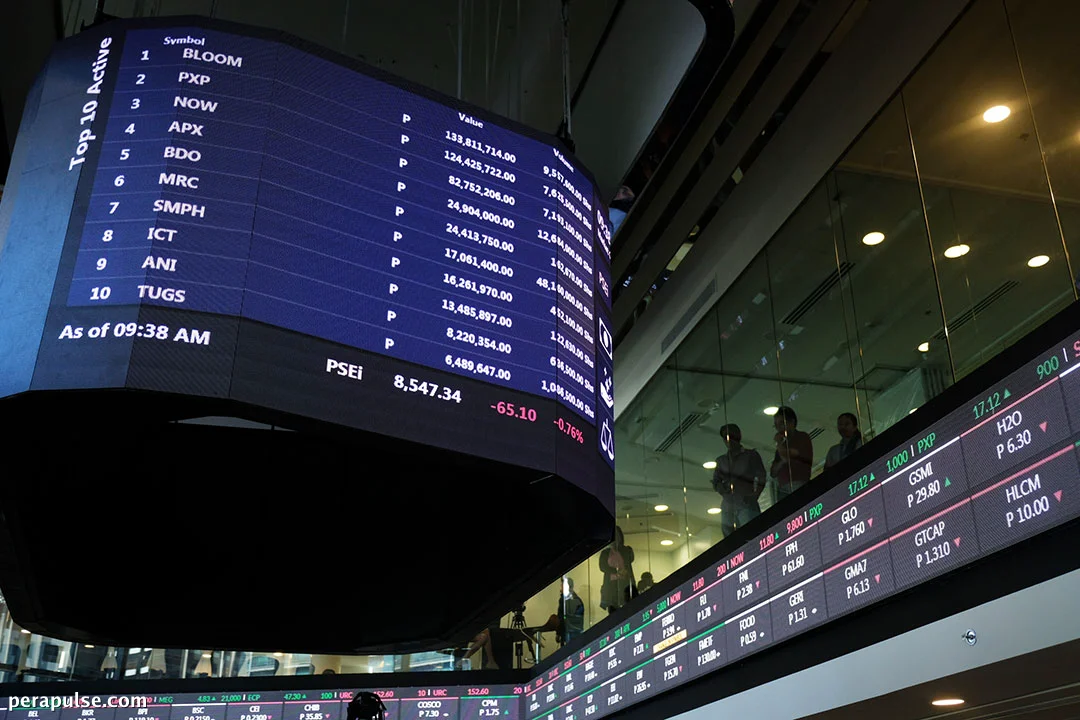
Inaasahang magpapatuloy ang pagsasabay ng mga stock sa Pilipinas sa linggong ito, na ang atensyon ng mga mamumuhunan ay nakatuon sa mga kritikal na pulong ng patakaran ng US Federal Reserve at ng
Bangko Sentral ng Pilipinas (BSP).
Noong Huwebes, ang Philippine Stock Exchange index (PSEi) ay bumaba ng 0.52%, na nagtapos sa 5,910.06. Ang mas malawak na all shares index ay bumagsak din, bumaba ng 0.44% sa 3,289.95.
Ang PSEi ay bumaba ng 28.32 puntos kumpara sa nakaraang linggo, nang ito ay nagtapos sa 5,938.38.
Mga Tensyon sa Geopolitika na Nakakaapekto sa Damdamin ng Merkado
Itinuturo ng mga analyst ng merkado ang kamakailang pagbaba sa tumataas na tensyon sa Gitnang Silangan, partikular pagkatapos ng mga pag-atake ng militar ng US laban sa Iran. Bilang resulta, ang Strait of Hormuz ay isinara, na nagdudulot ng mga alalahanin tungkol sa posibleng pagtaas ng mga presyo ng langis sa buong mundo.
Ang lokal na merkado ay nagpatuloy sa pagbaba habang ang mga tensyon sa Gitnang Silangan ay patuloy na tumitindi. Ito ay naganap habang ang US ay umaatake sa Iran habang ang dalawa ay nananatiling walang kasunduan. Bilang tugon, ganap na isinara ng Iran ang Strait of Hormuz na nagdudulot ng mga panganib sa pagtaas ng mga presyo ng langis sa buong mundo.
Japhet Louis O. Tantiangco, Research Manager, Philstocks Financial, Inc.
Sa pagtingin sa hinaharap, itinuturo ng F. Yap Securities, Inc. na ang mga galaw ng merkado ay nakasalalay sa mga resulta ng mga pulong ng Fed at
BSP meetings,
, na nakatakdang ganapin sa Hunyo 16-17 at Hunyo 18, ayon sa pagkakasunod.
Inaasahan ng mga analyst na panatilihin ng Federal Reserve ang kasalukuyang mga rate ng interes, lalo na sa ilalim ng pamumuno ng bagong chairman na si Kevin M. Warsh. Isang poll ng Reuters ang nagmumungkahi na ang karamihan sa mga ekonomista ay umaasang mananatiling matatag ang mga rate para sa natitirang bahagi ng taon.
Sa kabaligtaran, isang poll ng *BusinessWorld* ang nagpapakita na 19 sa 20 analyst ang nakikita ang isang pangalawang sunud-sunod na pagtaas ng rate mula sa
BSP,
, kung saan 15 ang umaasang magkakaroon ng 25-basis-point na pagtaas at apat ang nagtataya ng mas agresibong 50-basis-point na pagtaas.
Nagbabala ang F. Yap Securities na ang mga agresibong pagtaas ng rate ay maaaring magpahiwatig ng pananalapi na panic at makagambala sa mahihinang lokal na credit channels. Inirerekomenda nila ang isang konserbatibong diskarte hanggang sa matapos ang mga desisyon sa patakaran.
Ang suporta ng PSEi ay nakikita sa hanay na 5,750-5,800 maliban na lamang kung may mga hindi inaasahang pangyayari mula sa alinman sa
BSP
o sa Fed.