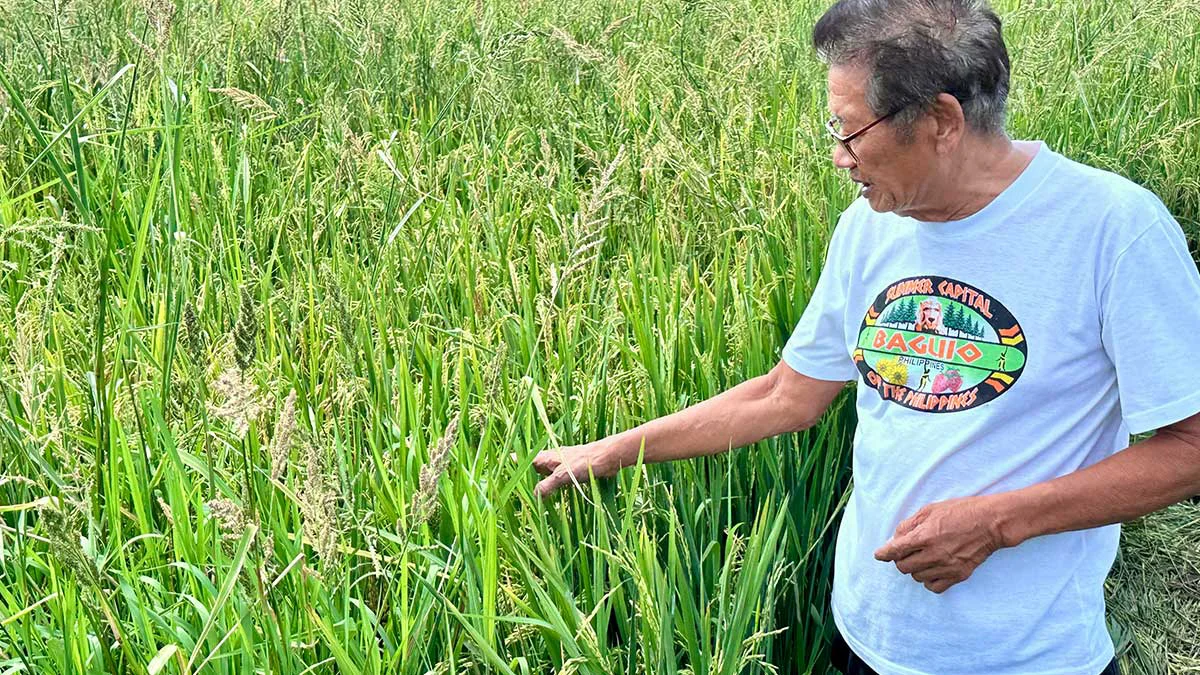
Farmers in the City of Malolos, Bulacan, are reaping the benefits of traditional irrigation canals amid a dry spell. As the dry season peaks, these old irrigation systems have helped sustain rice crops despite reduced water supply.
Melencio Domingo, chair of the Santor Farmer Irrigators Association, reported that farmers expect a decent harvest next week. This comes after a late planting schedule in January and the cessation of irrigation from the National Irrigation Administration (NIA) on April 30.
Domingo highlighted the importance of 'Sapang Baliwag,' a network of traditional irrigation canals in Barangay Santor. He noted that water from nearby industrial sites has been a mixed blessing, with some discharges aiding crop growth while others pose risks.
Challenges Persist Despite Support
Even with the irrigation support, yields have decreased this season to approximately 45 to 50 cavans per hectare, compared to the typical 80 to 100 cavans during previous dry seasons. A cavan weighs about 50 kilograms.
Domingo expressed concern over the impact of reduced irrigation supply from the Angat Maasim River Irrigation System (Amris) on farmers in both tail-end and non-tail-end barangays.
Water allocation has been reduced due to several factors, including damage to infrastructure and declining water levels in Angat Dam, according to Francisco Clara, head of NIA's Water Control Coordinating Unit.
Francisco Clara, NIA
Clara explained that water supply had been cut from 35 cubic meters per second to 30 cubic meters per second towards the end of the cropping season, prioritizing Metro Manila's water needs.
Amris serves over 22,000 farmers and irrigates about 27,000 hectares across Bulacan and Pampanga. Clara mentioned that farmers who planted earlier and had better access to water reported yields exceeding 100 cavans per hectare.
As of Monday, Angat Dam's water level was at 182.57 meters above sea level, down from 185.56 meters the previous week. The regular wet season cropping is set to begin in August.