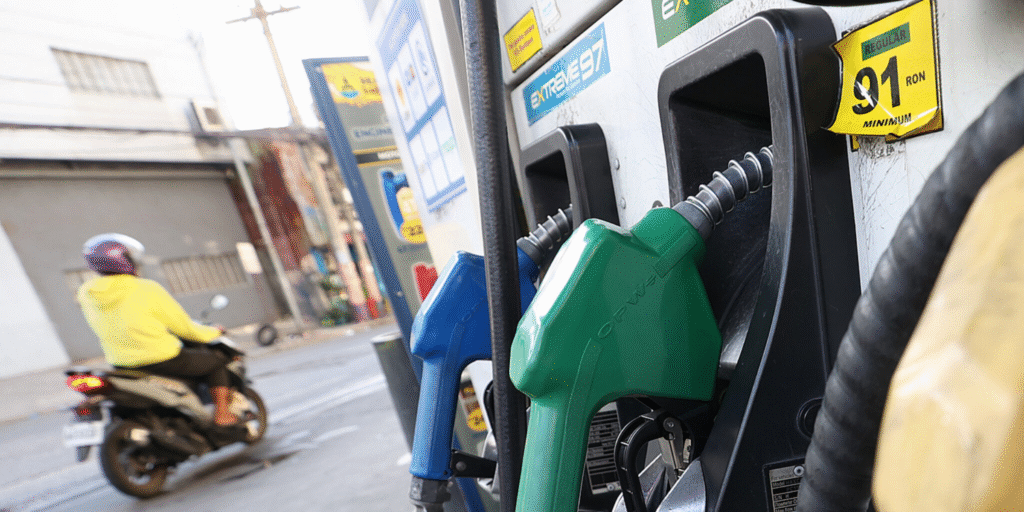
Oil prices are projected to remain high through 2027 due to ongoing disruptions in the Strait of Hormuz. This critical shipping route is facing increased risks, prompting DBS Bank and First Metro Securities to revise their price outlook.
The latest assessment indicates that restoring normal traffic in the Strait will take longer than previously anticipated. Even if the United States and Iran reach an agreement soon, a gradual reopening is expected only over the next two quarters.
Revised Price Forecasts
The two firms have adjusted their forecasts, estimating that Brent crude will average between $85 and $90 per barrel in 2026, up from an earlier estimate of $80 to $85. For 2027, the projected range has also increased to $72 to $77 per barrel.
Analysts presented three scenarios regarding the future of oil prices, with heightened risks if diplomatic efforts fail or geopolitical tensions escalate.
Even in the most favorable scenario, analysts expect a slow return to normal operations, with lingering production shortfalls and inventory drawdowns.
DBS Bank and First Metro Securities
In a base scenario with a 50% probability, a deal by the second quarter would likely lead to a phased reopening of the Strait by mid-2026. Prices could range from $90 to $110 per barrel in the near term, with possible spikes reaching $125.
A prolonged negotiation scenario, which has a 30% likelihood, could see oil prices soar to $110 to $125 per barrel, with temporary surges up to $150.
The worst-case scenario holds a 20% probability, where negotiations collapse and conflict escalates, potentially pushing prices above $125 and fears of reaching $150 to $200.
While some analysts suggest that OPEC+ might adjust output to ease prices, the ongoing disruptions in Hormuz are expected to dominate the market, keeping oil prices elevated.