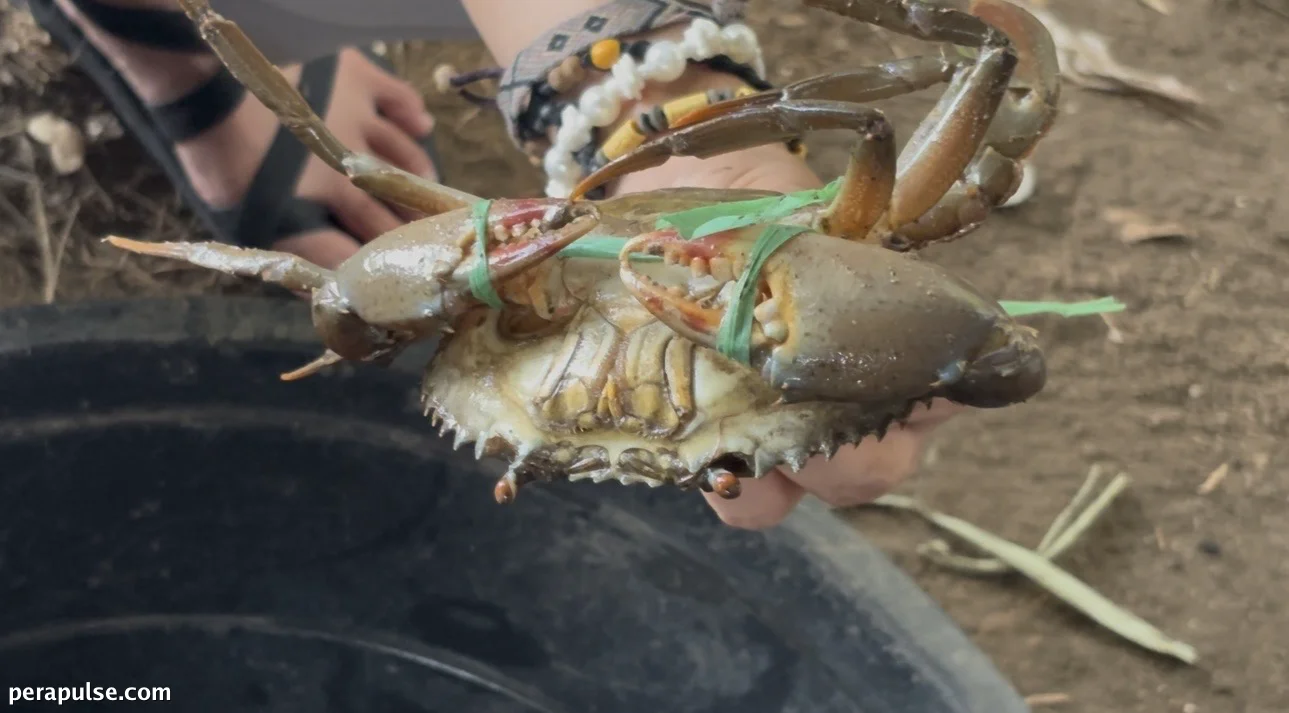
Sa pagsisikap na buhayin ang bumabagsak na sektor ng pagsasaka ng alimango, ang Negros Occidental ay gumagamit ng makabagong teknolohiya na kayang tiisin ang lahat ng panahon. Ang bagong pamamaraan ay nagpapahintulot sa mga lokal na negosyante na mas epektibong magtanim ng mga alimango (*Scylla serrata*), kahit na sa gitna ng nagbabagong kondisyon ng klima.
Pagtatagumpay sa Tradisyunal na Hamon
Ang Ilog Entrepreneurs Association (IEA) ay humarap sa malalaking hamon dahil sa mga limitasyon ng tradisyunal na pamamaraan ng pagsasaka. Itinuro ni Pangulong Trinidad Diamante ang mga paghihirap sa pag-aani ng mga alimango mula sa mabibigat na kahoy at kawayan na mga kulungan sa panahon ng masamang panahon.
Nahihirapan kami noon dahil gumagamit kami ng tradisyunal na mga kulungan... May mga alimango na namamatay. (cite: Trinidad Diamante, Pangulo ng Ilog Entrepreneurs Association)
- Pagsisimula ng proyekto noong 2023 kasama ang inisyatibong pag-drop-off ng seafood
- Paunang grant na P315,000 mula sa Sustainable Livelihood Program ng DSWD
Ang mga problema ng asosasyon ay nagresulta sa pagbagsak mula 21 hanggang 7 aktibong miyembro habang ang matinding panahon ay nagdulot ng pagtaas ng pagkamatay ng alimango. Upang labanan ito, lumapit ang grupo sa Central Philippines State University (CPSU)-Ilog para sa tulong.
Makabagong Crab Vertical Farming Technology
Ipinakilala ng CPSU-Ilog ang Crab Vertical Farming Technology (CVFT), na gumagamit ng mga recyclable na materyales para sa mga indibidwal na kulungan ng fattening. Ang sistemang ito ay nagtataguyod ng tuloy-tuloy na sirkulasyon ng tubig at pinakamainam na kondisyon ng paglago, na ginagawang mas matatag sa mga pagbabago sa kapaligiran.
Ang teknolohiya ay nilalayong ilipat sa komunidad at hindi para sa komersyalisasyon. (cite: Dr. Paul Doronila, Direktor ng Pananaliksik ng CPSU-Ilog)
- 48 indibidwal na kulungan na nasa isang nakababalot na estruktura
- Makatipid: 40-50% na mas mura kaysa sa mga komersyal na sistema
Mula nang ipatupad ito noong Enero 2026 sa halagang P60,000, ang teknolohiya ay muling nagpasigla sa mga pagsisikap sa fattening ng alimango, na nagdulot ng pagtaas ng miyembro sa 15.
Suporta at Mga Kinabukasan na Prospect
Nakakuha ang proyekto ng karagdagang pondo na P300,000 mula sa DSWD upang mag-set up ng isa pang CVFT, kabilang ang mga plano para sa solar power upang matiyak ang tuloy-tuloy na operasyon sa panahon ng mga brownout. Ang inisyatibong ito ay hindi lamang nagpapalakas ng lokal na produksyon kundi nagpapalago rin ng katatagan ng komunidad.
Binanggit din ni Doronila ang patuloy na pananaliksik sa mga alternatibong feed na nakabatay sa halaman, na magbabawas sa pag-asa sa tradisyunal na marine feeds. Habang ang mga miyembro ng IEA ay umaangkop sa mga bagong pamamaraan na ito, sila ay umaasa sa hinaharap ng pagsasaka ng alimango sa Negros Occidental.