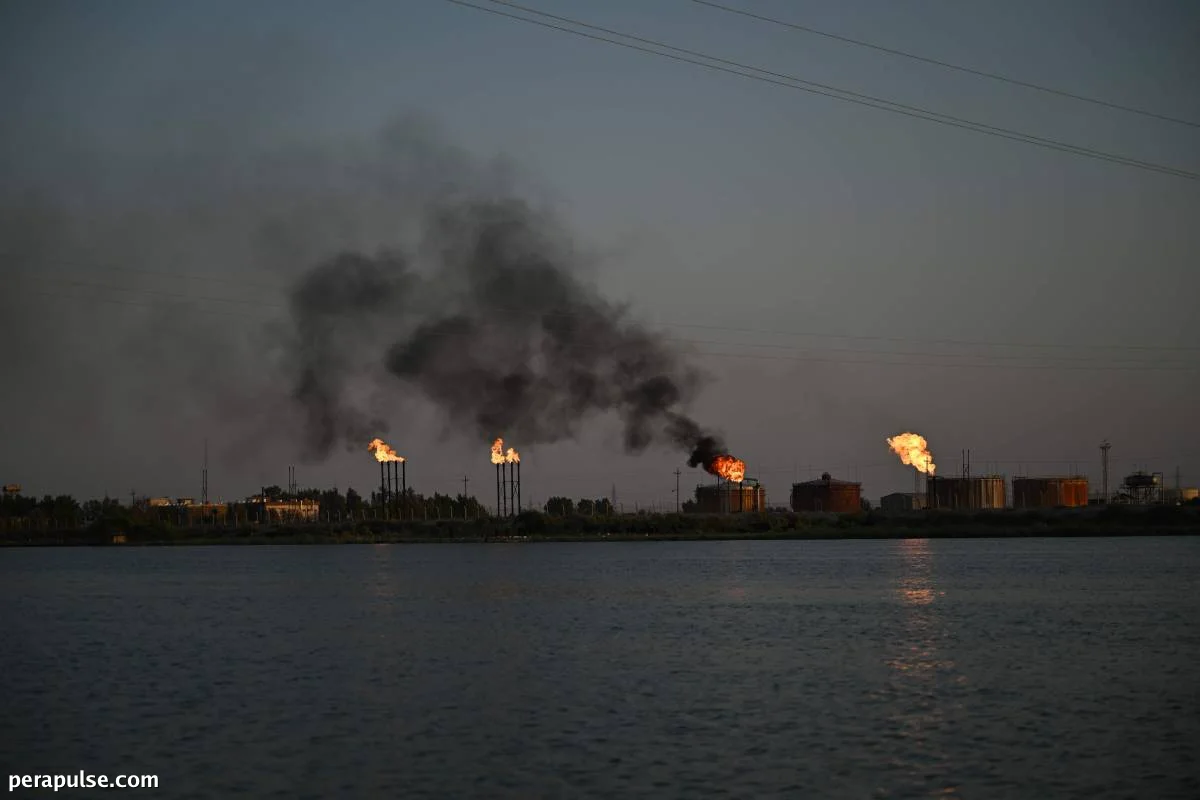
The ongoing conflict involving Iran has compelled Gulf nations to devise alternative routes for oil transport, ensuring that global supply remains relatively stable despite rising costs.
Since Iran's blockade of the Strait of Hormuz, which typically sees the passage of around 15 million barrels of oil daily, Saudi Arabia and its Gulf partners have implemented various strategies to circumvent disruptions.
Alternative Routes and Rising Prices
The market is very tightly balanced. That is why you are not seeing exceptionally high prices for crude; they are still in the $100 range.
Rahul Choudhary, Rystad Energy
- Saudi Arabia redirected oil through its East-West pipeline to the Red Sea.
- The UAE utilized a pipeline through Oman to Fujairah, bypassing the Strait.
Despite these efforts, oil prices have reached approximately $100 per barrel, a rise attributed to both geopolitical tensions and operational costs. This scenario places pressure on leaders like U.S. President Donald Trump, who faces domestic repercussions.
The complexity of these workarounds has led to increased shipping costs. For instance, charter rates for tankers have surged, with some spot rates reaching as high as $1 million per day.
Potential Risks and Future Outlook
While the Gulf nations have adapted to the immediate challenges, analysts warn that the current solutions may not be sustainable long-term. The ongoing depletion of global oil inventories and reduced demand due to higher prices could further complicate the situation.
Rystad Energy projects prices could stabilize around $85-$90 per barrel by year-end, but this hinges on the reopening of the Strait of Hormuz and a reduction in geopolitical tensions.