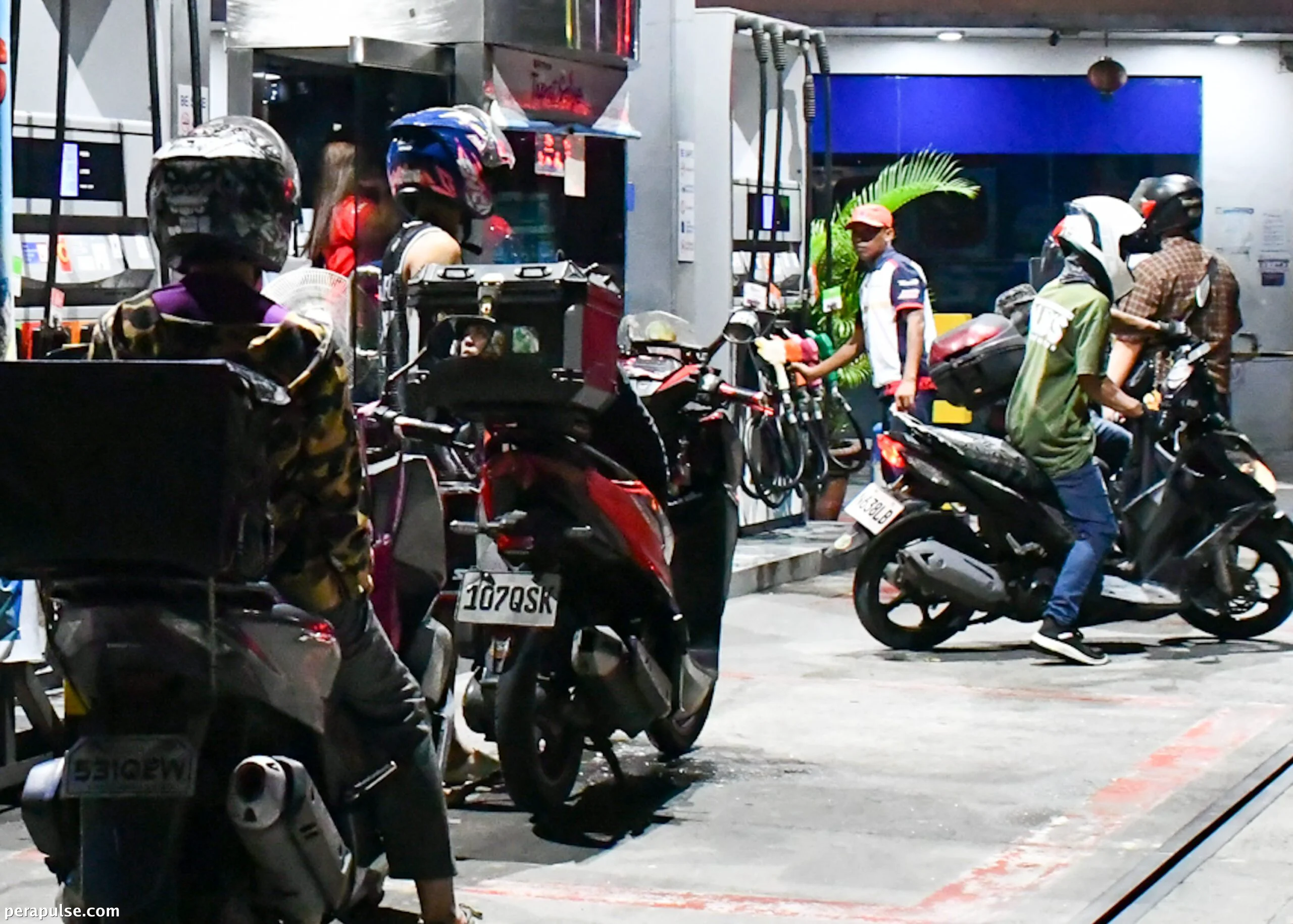
The Department of Energy (DOE) has indicated that there are currently no signs of a decrease in oil prices, despite discussions of possible excise tax relief. Energy Secretary Sharon Garin emphasized the ongoing pressures in the oil market, particularly due to geopolitical tensions.
Rising Oil Prices Drive Government Action
The DOE certified that the average price of Dubai crude oil reached $99.41 per barrel from August 13 to September 11, surpassing the $80-per-barrel threshold established by Republic Act No. 12316. This certification has prompted the government to consider adjustments to fuel excise taxes.
Let’s brace ourselves for possible increases pa rin (still). Wala pang signs ngayon na babagsak pa yung presyo ng oil (There are no signs that the price of oil will drop).
Sharon Garin, Energy Secretary
Recent price hikes have already impacted consumers significantly. On September 15, gasoline prices rose by P5.68 per liter, diesel by P4.31, and kerosene by P4.62.
- Pump prices have increased by P10.37 per liter for gasoline in two weeks.
- Diesel prices saw a rise of P9.49, while kerosene increased by P10.20.
The latest increases are attributed to higher import costs and a weakening peso, which has exacerbated local fuel prices.
Garin warns that while extreme price surges seen earlier in crises are not expected, consumers should prepare for ongoing small increases. Transport groups have voiced their concerns, with the group Manibela launching strikes to demand government intervention.
As of September 13, the government has distributed P753 million in subsidies to public utility vehicle drivers, covering 103,163 vehicles. The current subsidy provides P12 per liter, with a cap of P1,800 per week.
Although the government is considering tax relief measures, the decision rests with the Development Budget Coordination Committee (DBCC). The last time an excise tax suspension was implemented was in April, primarily affecting LPG and kerosene, leaving gasoline and diesel untouched.