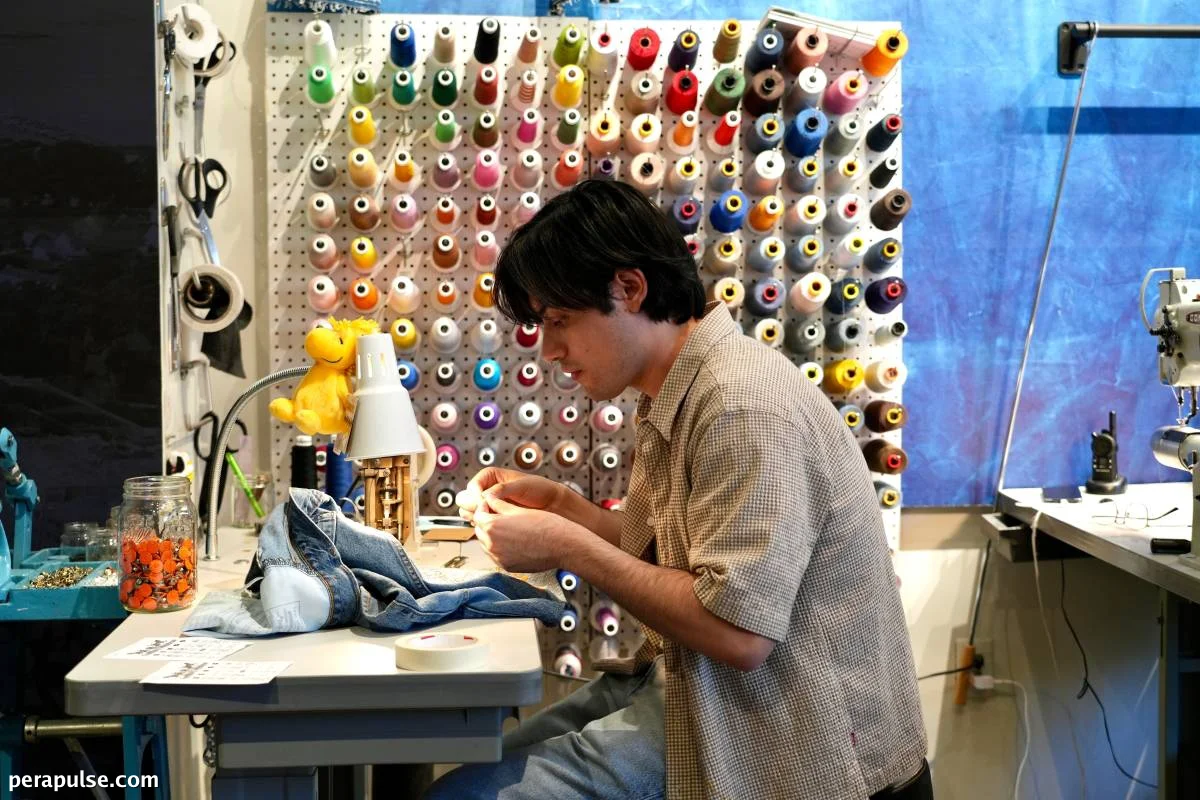
Clothing brands are adapting to the preferences of Generation Z by offering in-store repair services and sewing workshops. This strategy aims to cultivate a sense of sustainability among young consumers who are becoming increasingly conscious of their environmental impact.
Mending Workshops Gain Popularity Among Young Shoppers
Levi Strauss & Co. has launched a series of hand-stitching courses for high school students, addressing a gap in sewing skills among young thrifty shoppers. The initiative teaches essential skills like hemming and patching, empowering consumers to extend the life of their clothing.
We think it's important to empower the people who buy our clothes with the skill sets to maintain them, to get them to that second life.
Paul Dillinger, Head of Global Design Innovation, Levi's
- Levi's offers hand-stitching courses for students.
- Primark hosts 'Love It For Longer' events teaching repair skills.
Detroit resident Chloe Halprin, 25, represents the target audience for this shift. Once a fan of fast fashion, she now prioritizes secondhand shopping and has learned basic sewing skills, aligning her purchases with her values.
The fashion industry's move towards repair services comes as it faces mounting pressure to address its environmental footprint. According to the United Nations Environment Program, textile waste is a critical issue, with millions of tons discarded each year.
The Need for Sustainable Practices
Repairing and reselling clothing can significantly reduce a garment's environmental impact. However, experts caution that these practices alone cannot counterbalance the rapid increase in clothing production.
The Ellen MacArthur Foundation highlights a troubling trend: clothing production doubled between 2000 and 2015 while the average number of wears per garment dropped by 36%.
This generational shift is evident as Gen Z, shaped by experiences like the pandemic, opts for more sustainable options. Resale markets are now growing faster than new apparel sales in the U.S.
Industry Skepticism and Economic Challenges
Despite the positive intentions behind repair initiatives, skepticism lingers, especially regarding the environmental benefits of fast-fashion brands. Companies like Zara and H&M have rolled out repair programs, but questions remain about their long-term impact.
Vicki Swain from Primark argues that teaching customers to care for their clothing is essential. "Learning how to repair is one of the simplest yet most effective ways to reduce waste," she said.
Yet, brands face economic hurdles in making repairs viable. H&M has voiced concerns about the cost-effectiveness of mending compared to producing new garments.
Analysts like Neil Saunders emphasize that while younger consumers may support sustainability, many still gravitate towards fast fashion for its accessibility.
As clothing brands navigate these challenges, their mending programs could redefine consumer behavior, making sustainability a more integral part of the shopping experience.