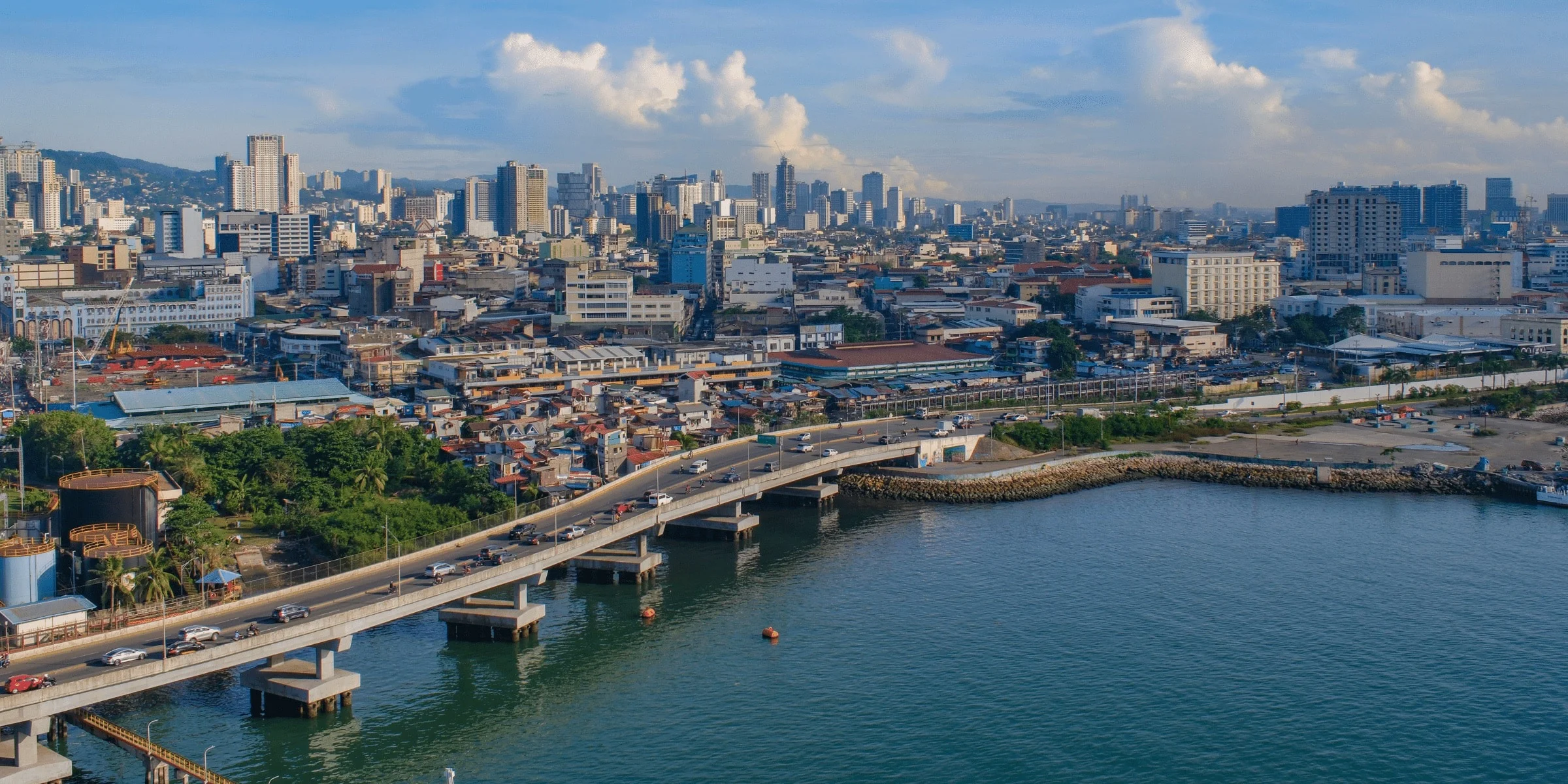
Cebu Province plans to invest ₱23 billion in infrastructure projects to combat persistent flooding and traffic congestion. The Provincial Development Council endorsed 126 significant projects on May 3, indicating a strong commitment to economic development.
Among the proposed projects are five dams, each budgeted at ₱1 billion, intended to manage water flow along major river systems. These dams are part of the Metro Cebu Flood Control Master Plan, deemed urgent by the Department of Public Works and Highways.
Dams and Traffic Solutions
The dam projects will be constructed in key locations, including the Mananga River in Talisay and the Butuanon River between Cebu and Mandaue cities. This infrastructure push follows severe flooding caused by Typhoon Tino, highlighting the need for effective flood control.
In addition to the dams, the plan includes the Talisay-Minglanilla-Naga Bypass Road and several flyovers, aimed at alleviating the increasing traffic troubles in Metro Cebu.
Expert Critique
Economist Fernando 'Perry' Fajardo expressed concerns over the province's reliance on large-scale construction. He warned that without addressing fundamental issues like urban sprawl and environmental degradation, these projects may only serve as temporary fixes.
Cebu could end up spending billions only to arrive at the same gridlock, just at a larger scale.
Fernando Fajardo
Fajardo advocated for a more integrated approach that combines traditional infrastructure with nature-based solutions and improved land-use policies. He emphasized the importance of reforestation and better management of flood-prone areas.
While acknowledging the political will behind the endorsed projects, Fajardo cautioned that without a comprehensive strategy, the investment may not yield long-term benefits.