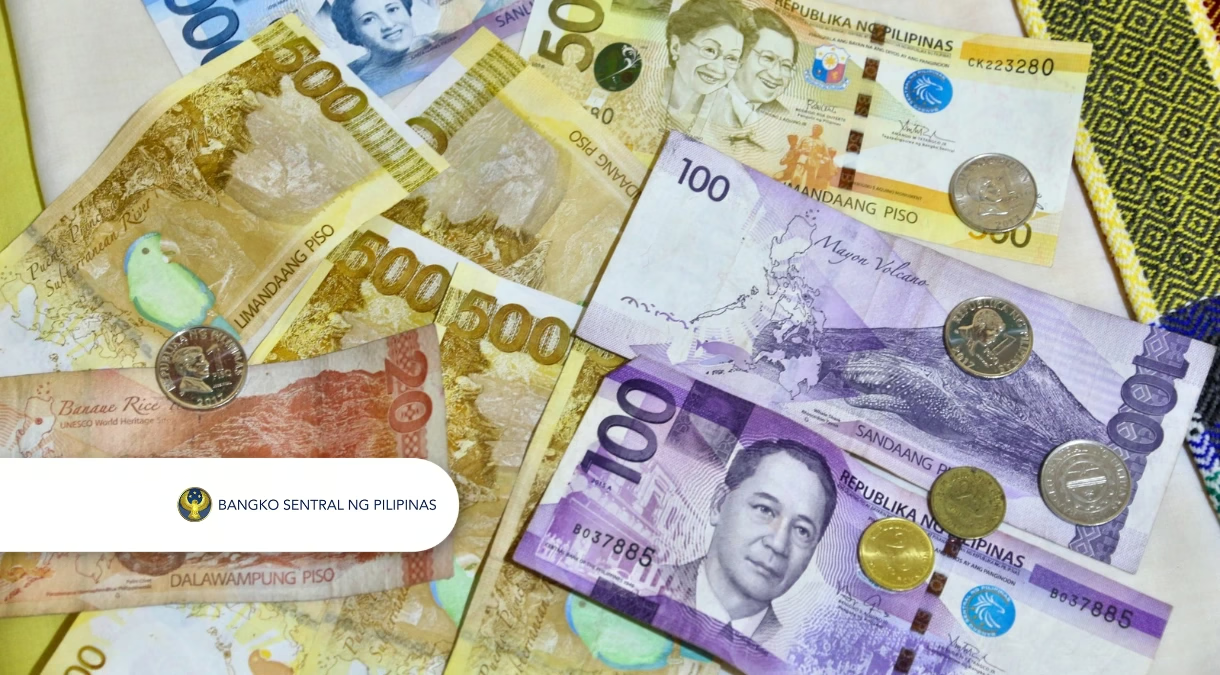
The Bangko Sentral ng Pilipinas (BSP) announced plans to begin local production of polymer banknotes in 2027. This initiative aims to bolster self-sufficiency in currency production and cut down on reliance on foreign suppliers like Australia.
A new production line will be established at the BSP's Security Plant Complex in Quezon City. It is expected to produce approximately 500 million polymer banknotes annually.
We have to learn to operate the polymer lines so that we’re not forever just importing.
Mamerto Tangonan, BSP Deputy Governor for the Payments and Currency Management Sector
The move comes as the BSP seeks to enhance the durability and security of its currency. Polymer notes, such as the PHP 1,000 introduced in April 2022, have a lifespan of up to 7.5 years compared to just 1.5 years for traditional paper notes.
- New PHP 500, PHP 100, and PHP 50 denominations will also be produced.
- Polymer banknotes feature advanced security measures that make counterfeiting more difficult.
Despite a significant shift towards digital payments, which accounted for 64.7% of retail transactions by volume in 2025, cash transactions remain a crucial part of everyday commerce in the Philippines.
This local production initiative reflects a broader trend in central banking, where many nations are exploring domestic manufacturing of currency to enhance security and reduce costs associated with importing notes.