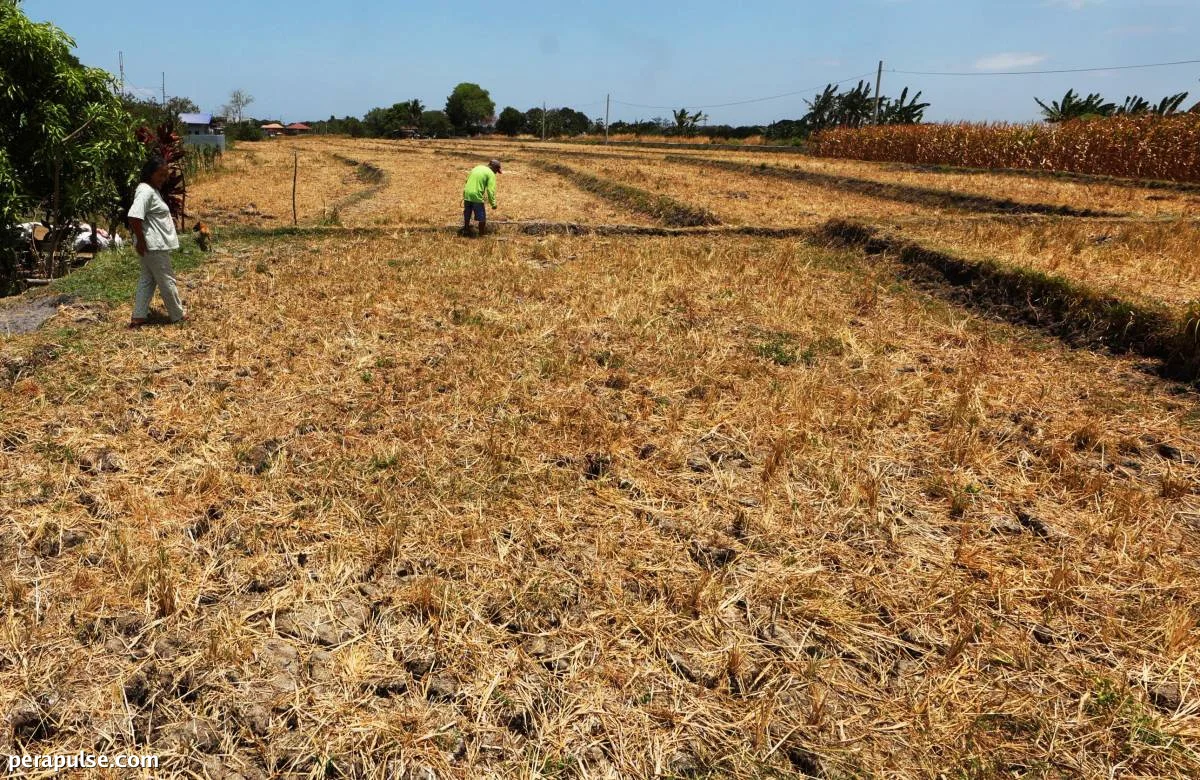
The Bangko Sentral ng Pilipinas (BSP) is prioritizing the implications of a severe El Niño as it shapes its monetary policy. Governor Eli Remolona Jr. highlighted this concern during a conference hosted by the Financial Executives Institute of the Philippines.
He noted that the central bank is evaluating various economic scenarios, including potential hikes in global oil prices and the anticipated drought conditions stemming from the climate phenomenon.
There’s a regular El Niño, a kind of benign El Niño, which is bad news. But there’s a bad El Niño, which is really, really bad news.
Eli Remolona Jr., BSP Governor
In its August report, the BSP projected that inflation could peak in the fourth quarter, influenced by El Niño and base effects. The inflation forecast for 2026 has been adjusted to 6.1 percent, while the prediction for 2027 has increased to 5.4 percent.
Governor Remolona further explained that extreme weather events associated with El Niño could exacerbate local rice production issues, potentially pushing rice prices up by 22% from December 2026 through the first quarter of 2027.
The BSP is also focusing on inflation expectations from market analysts, households, and businesses, which could complicate efforts to stabilize prices. Remolona emphasized the importance of managing these expectations.
What we worry about is expectations that don’t seem anchored enough. It makes our life much more difficult when expectations are not well anchored.
Eli Remolona Jr., BSP Governor
This year, the Monetary Board has raised interest rates three times to combat inflation, which reached a three-year high of 7.2% in April due to external factors such as the Middle East conflict. Although rates eased temporarily, inflation surged back to 7.2% in September.
The Monetary Board's next meeting on October 22 could lead to further interest rate hikes as officials respond to ongoing inflationary pressures.