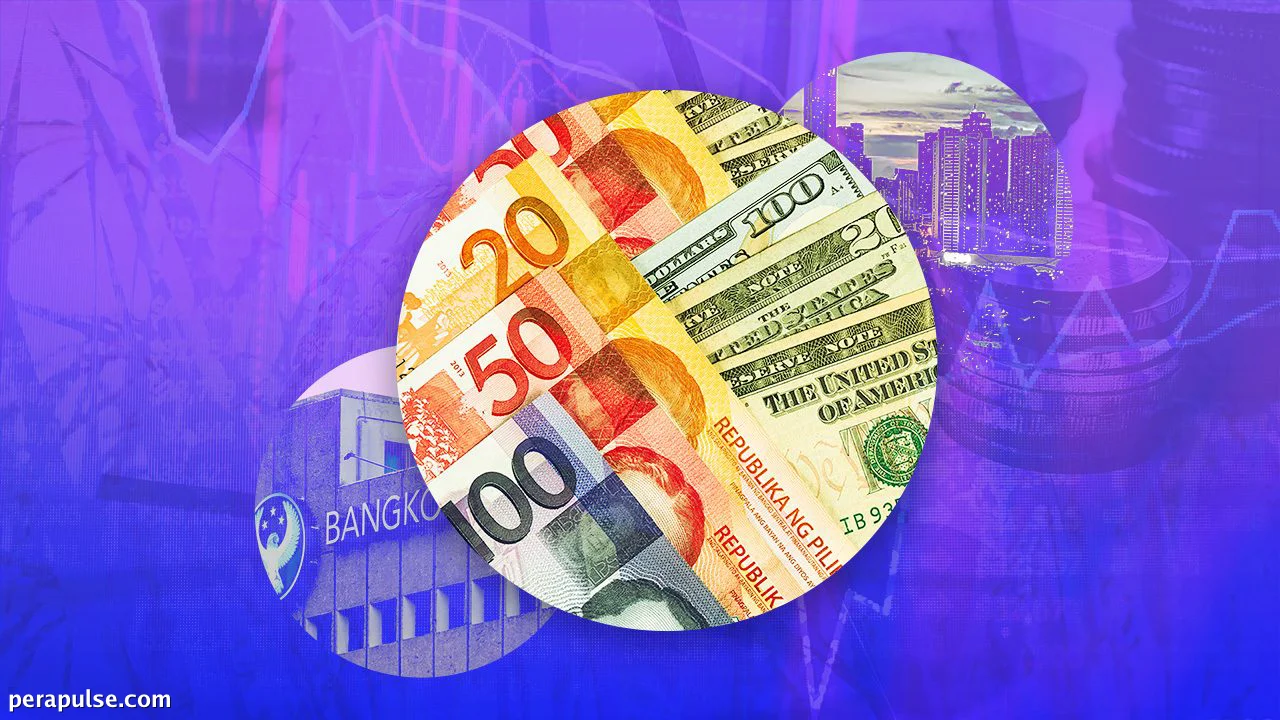
The Philippine peso continues to plummet, reaching unprecedented lows against the US dollar. On September 8, 2026, the currency closed at a record-low rate of P62.625 to $1.
This decline follows a consistent trend since March 2026, when the peso first fell to historic lows. The current depreciation raises alarms about inflation and the broader economic impact.
Understanding the Economic Implications
As the peso weakens, the costs of imported goods—including fuel and food—are set to rise, creating a ripple effect throughout the economy.
The peso’s depreciation is putting pressure on domestic prices, particularly for essential goods.
Sharon Garin, Energy Secretary
- Filipinos face higher fuel prices due to dollar-denominated petroleum imports.
- Rising costs for businesses may lead to increased prices for consumers.
For overseas Filipino workers (OFWs), the situation has a bittersweet edge. While remittances yield more pesos per dollar, escalating living costs could negate these gains.
The Philippine economy's heavy reliance on imports exacerbates the situation. As importers are forced to spend more pesos for the same dollar-priced goods, businesses often pass these costs to consumers.
Inflationary Pressures and Monetary Policy
As inflation rose to 6.1% in August 2026, the Bangko Sentral ng Pilipinas (BSP) faces significant challenges. The central bank must balance defending the peso and managing inflation without depleting its dollar reserves.
Despite a substantial reserve of $104.8 billion, the BSP has stated it will not artificially fix the peso's value, which could lead to unsustainable depletion of foreign currency.
If this depreciation continues, the BSP may need to maintain or increase interest rates, which could further dampen consumer spending and economic growth.